



AST Coach Journal: Peter Rybarik, AST Head Coach
Europe, August-September Camp #1
Unfortunately, our first camp in Saas-Fee did not go as originally planned due to the exceptionally warm weather this summer. The entire summer in Europe was abnormally hot and dry, resulting in the closure of even one of the highest glacier ski resorts. Saas-Fee has been closed since August 10, with no reliable prediction at the time regarding when the glacier would reopen.
As soon as we received the first update from Saas-Fee that the glacier would remain closed from August 10 until further notice, we immediately began organizing an alternative plan.
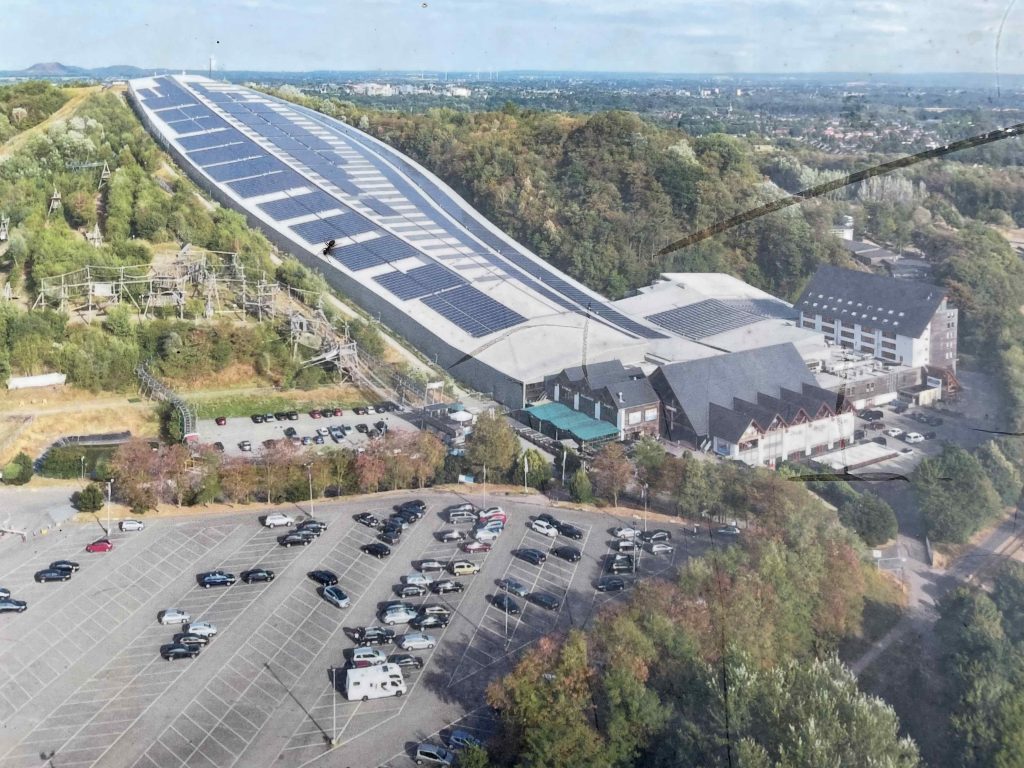
In this difficult situation, we were able to secure indoor training in Landgraaf, Netherlands. We had no choice but to relocate and spent 10 days there. Mentally and physically, it was challenging to train SL twice a day on the same slope. Despite the difficult circumstances, all of the athletes adapted very well and made significant progress by the end of the training period.
After Landgraaf, we continued to search intensively for other training options while the Saas-Fee glacier remained closed. Through our connections with European coaches, we were able to secure six days of GS training at the private glacier training area operated by Karl-Heinz in Stelvio.
We had only four days to organize everything before we could start training there. From a logistics standpoint, we decided to stay at our travel hotel, Alter Wirt, in Munich. This also gave everyone some valuable time to recover and relax, combined with a few dryland training sessions.
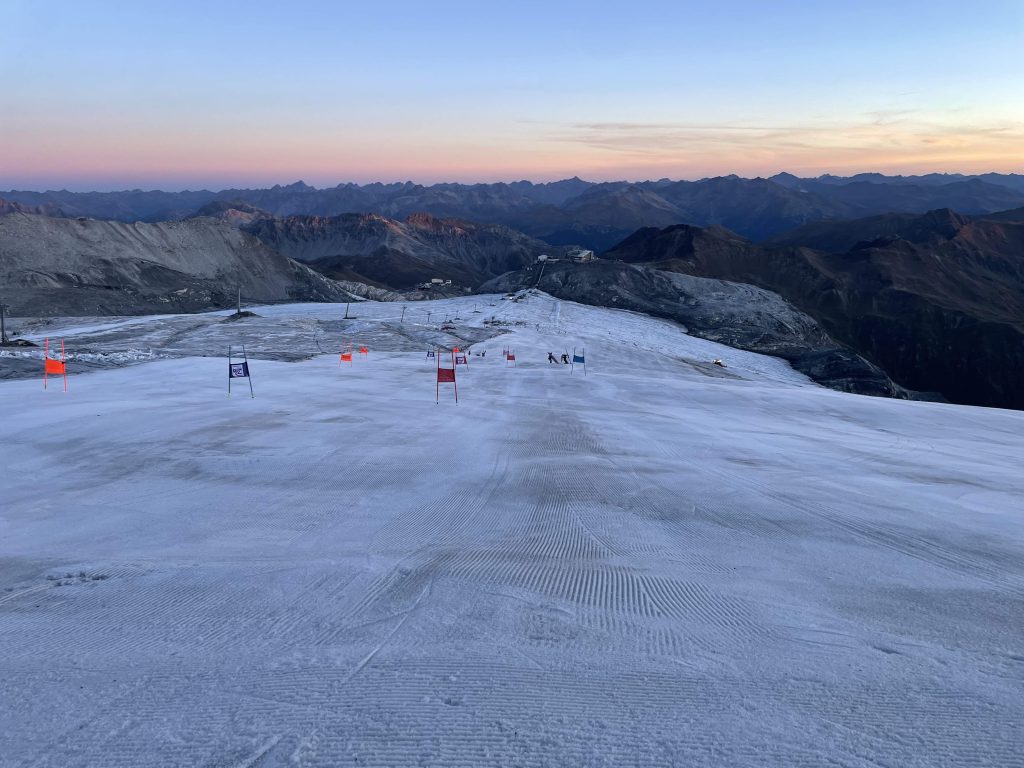
The Stelvio glacier training at Karl-Heinz operates differently from a normal ski area. Training starts very early in the morning, with cats transporting the athletes up the glacier. We had excellent, firm snow conditions and were able to complete approximately 28 GS turns per run, with 10–12 runs per day. It was a very productive training block.
The team returned home September 7th after 3 weeks away. Despite the challenges we faced during Camp #1, we managed to complete 15 days on snow on a very hard and consistent surface. As a team, we believe we handled the situation very well. The athletes’ flexibility, commitment, and positive attitude allowed us to make the most of what was undoubtedly a very demanding summer training period.
Overall, the training was productive, and the athletes made good progress throughout the camp. Their willingness to adapt, work hard, and stay positive through difficult conditions was a key factor in making the camp a success.
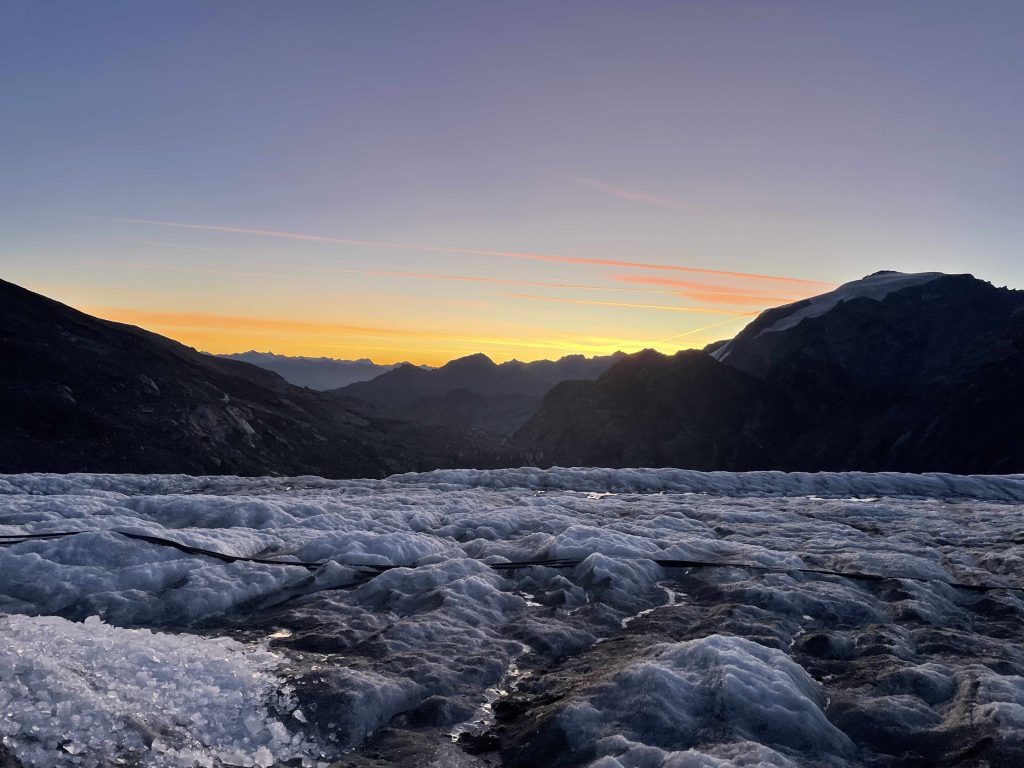
Everything we accomplished here was done the hard way, from icy indoor SL training to moderate and difficult terrain on hard, icy glacier surfaces. Using cats instead of lifts to transport the athletes added yet another layer of complexity. Sometimes taking the harder route can have a positive effect. It may take longer, require more patience, and demand more work, but the results can be stronger in the end. We will see how everything comes together during the upcoming fall season and preseason training.
For now, we are very pleased with how the athletes responded to the challenges and with the progress they made throughout the camp.
ACA Speed Camp, Chile
The CAST Development Team invited Graeme Cliff to join the World Cup (WC) Speed Team for training in Chile at El Colorado and La Parva.
Graeme had a great camp and gained very valuable experience training alongside the WC Speed Team. The opportunity provided him with important exposure to a high-level of training. Graeme has also been invited to join the team for the full training period in November.
Looking Ahead – October Camp #2, November Pre-season training
We have also had to make some changes to the upcoming October camp.
Based on the current weather forecast for Europe, with no significant change expected, limited snowfall, and continued warm temperatures, we have decided to travel to Saas-Fee instead of Hintertux. The Saas-Fee glacier is significantly higher and offers a better possibility of finding suitable snow conditions for our training.
Ahead of that, the team travelling to Wittenberg, Germany, as originally planned, for 5 days of indoor SL training with 2 sessions per day.
We expect the second camp will continue to provide a positive and productive training environment for the team.
Pre-season Back Home
Shortly after the second Europe camp, our program is scheduled for Nakiska, with a primary focus on speed training. We expect 3–4 athletes to have the opportunity to train alongside the National Team.
The remainder of the group will stay focused on technical training and head to Mt. Sima, YukonNovember 9–15. There will be 4 days of technical training in GS and SL, followed by 2 days of FIS races in GS and SL at the end of the trip.
At the end of November, the AST will attend the Panorama camp, training alongside the National Development Team and all BC, ON, and QC Provincial Team athletes.
Every training session and FIS race will provide a valuable indication of how our athletes compare to the other athletes in the group. The Panorama block will help set the tone for the season and give us a clearer picture of how competitive we are, both as a group and individually. It will also provide an opportunity to see how each athlete responds to skiing and competing in some early-season events with their peers.
Peter Rybarik is Head Coach of the Alberta Ski Team. Read his bio >>
See the 2026-27 Alberta race calendar here and follow our Alberta Ski Team!