



Building the Calendar: What It Takes to Plan an Alberta Alpine Season
With the ski season just around the corner, one of the biggest pieces of work happening behind the scenes at Alberta Alpine is something most athletes and families only see once it is finished: building the competition calendar.

Putting together a provincial calendar is much more than simply finding a weekend and assigning a race to a hill. It is a balancing act involving ski resorts, clubs, coaches, officials, athletes, national and provincial projects, school schedules, travel, snow conditions, and the calendars of other provinces and national organizations.
But before dates are even discussed, there is a more fundamental question: what should competition look like at each stage of an athlete’s development?
It Starts with Athlete Development
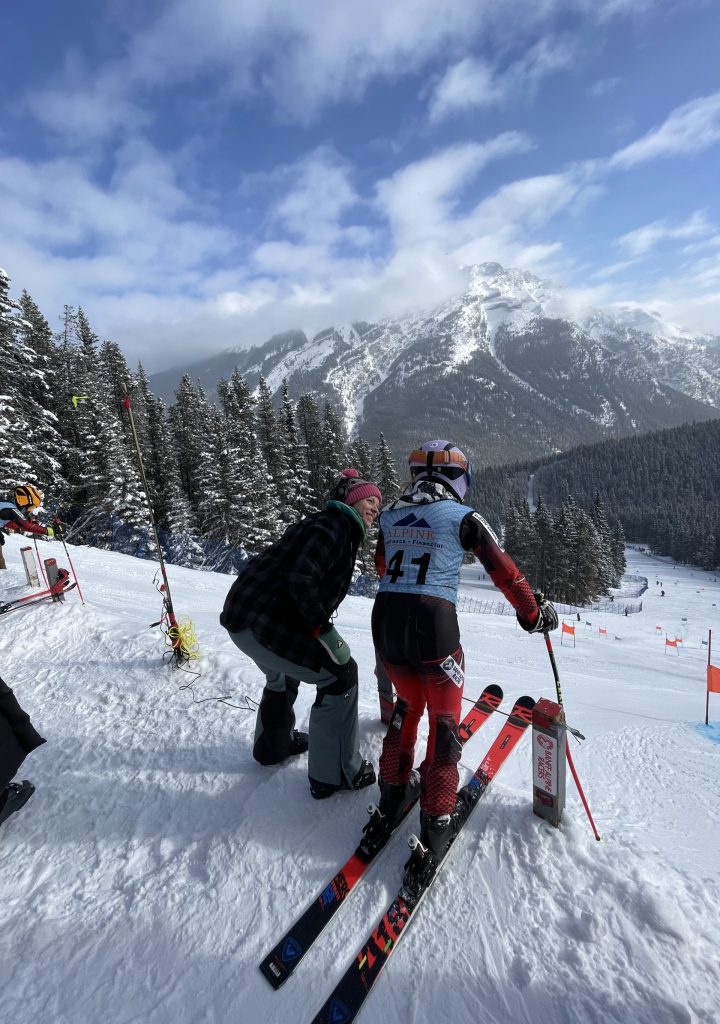
The number of race starts available to athletes at each age level is not accidental. Alberta Alpine’s approach to competition is strongly influenced by the principles of Long-Term Athlete Development (LTAD) and by philosophies that have been developed and refined over many years through the work of our age-class working groups.
At every stage of development, competition should serve a purpose. The needs of a U12 athlete learning to become a strong, versatile skier are very different from those of a U16 athlete developing their racing skills, or a FIS athlete preparing to compete at the national and international level.
For our younger athletes, the focus is on building a broad foundation. This means prioritizing fundamental skiing skills, athletic literacy, movement development and exposure to a variety of skiing experiences. Competition is an important part of that process, but more racing is not always better. There needs to be a balance between training, free skiing, skill development and competition.
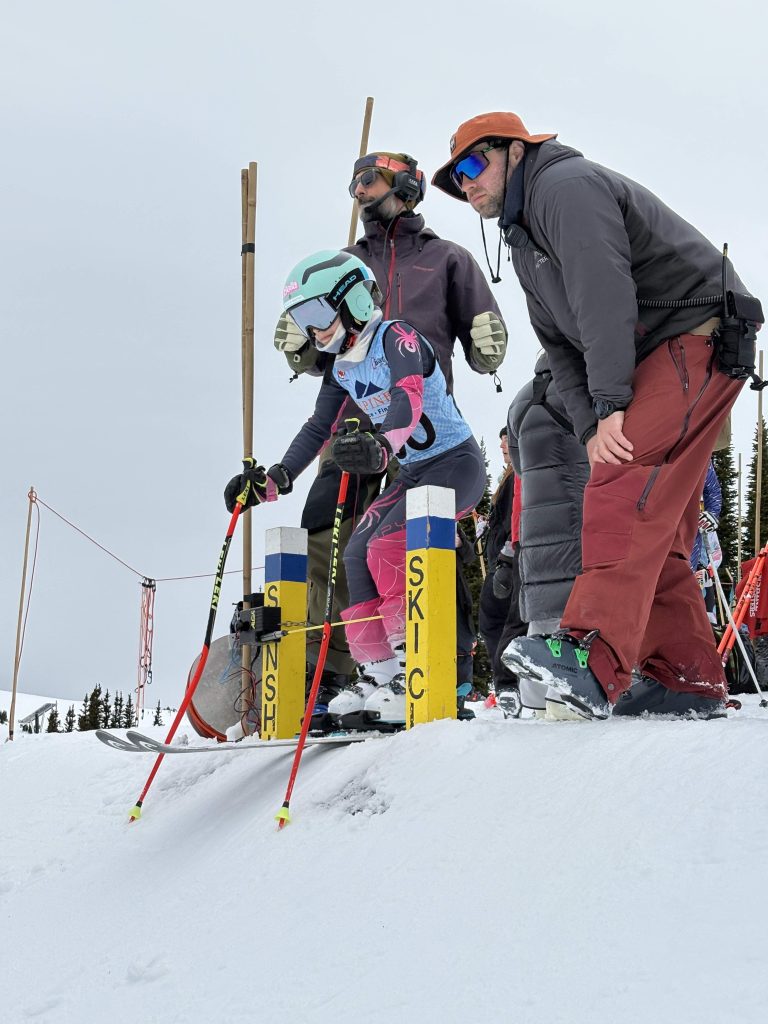
As athletes move through the age classes, the role of competition gradually changes. Athletes need opportunities to apply their skills under pressure, learn how to manage the demands of racing and experience different disciplines, venues and competitive environments. At the same time, the calendar needs to provide enough flexibility for continued training and development rather than simply creating a race every available weekend.
By the time athletes reach the U16 and FIS levels, the competition pathway becomes increasingly important. Athletes need an appropriate number of starts to develop experience, build their skills and progress toward provincial, national, and international opportunities.
These principles have been discussed extensively over the years through Alberta Alpine’s age-class working groups. The result is a philosophy around competition that recognizes there is no single number of race starts that is appropriate for every athlete or every stage of development.
The calendar is therefore designed around appropriate opportunities, rather than simply maximizing the number of races. The goal is to create enough competition to support development while leaving room for quality training, recovery, other sports and a healthy balance throughout the season.
This philosophy becomes one of the starting points for building the calendar. Once we understand what we are trying to provide for athletes at each age level, we can begin the complicated process of determining where and when those opportunities can take place.
It Starts with the Big Picture
The calendar process begins by looking at the larger Canadian and international competition calendar.
National events, NorAm races, FIS competitions, Canada Winter Games, Canadian National Championships and other major events all need to be considered first. From there, we work backwards to determine where Alberta’s provincial events can best fit.
This becomes particularly challenging because Alberta athletes compete across a wide range of ages and levels. A weekend that works well for a U14 event may not work for a FIS race, and a weekend that looks open on the calendar may already be heavily committed for clubs, coaches or volunteers.
We also need to consider travel. Alberta is a large province, and asking families and clubs to travel long distances every weekend isn’t realistic. Whenever possible, we try to build logical blocks into the calendar so that athletes can get quality competition without creating unnecessary travel demands.
We also have to consider the overall rhythm of the season. Where possible, we want to avoid creating long stretches where athletes are constantly racing without enough opportunity to train, while also ensuring there are sufficient competition opportunities at the right times of the year.
Working with our Clubs and Resorts
Once the larger calendar starts to take shape, the conversations with clubs and resorts really begin.
Every race requires a tremendous amount of work from volunteers. Hosting a competition means organizing officials, course crews, timing, registration, food, awards, accommodation and countless other details.
At the same time, resorts have their own operational demands. Hill availability, snowmaking, terrain, grooming, commercial operations and other events all have to be considered.
The final calendar is therefore a product of a lot of conversations and compromise. It is not unusual for dates to move several times before everything comes together.
Our goal is always to build a calendar that provides quality opportunities for athletes while recognizing the reality that Alberta’s racing system depends heavily on the commitment of clubs, resorts and volunteers.
Looking Ahead to 2026–27
There is a lot to be excited about in Alberta this season, with several additions and returning events designed to create more opportunities for athletes at every level.
A New U12 Skills Award
One of the new additions this season is the U12 Skills Award, which is designed to recognize the development of fundamental skiing skills alongside competition results.
Rather than adding another competition to an already busy schedule, athletes will complete the skills assessment through their home club and submit their results to Alberta Alpine. This allows coaches to work with their athletes in a familiar training environment and gives clubs an important role in recognizing skill development.
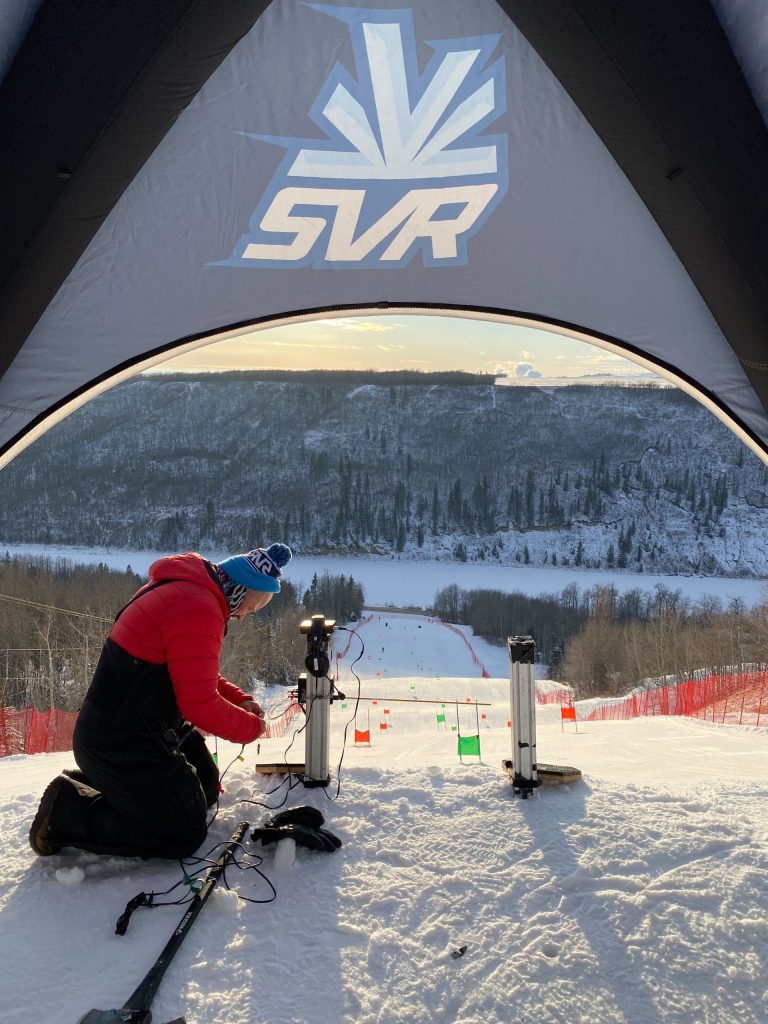
Athletes will complete the required skills during the season, with awards presented later in the year.
At U12, developing strong fundamental skiing skills is critical. The Skills Award is intended to celebrate athletes who are building those foundations and progressing as skiers—not simply those who are finishing fastest.
More FIS Racing in Alberta
We are also excited to see more FIS racing opportunities in Alberta this season.
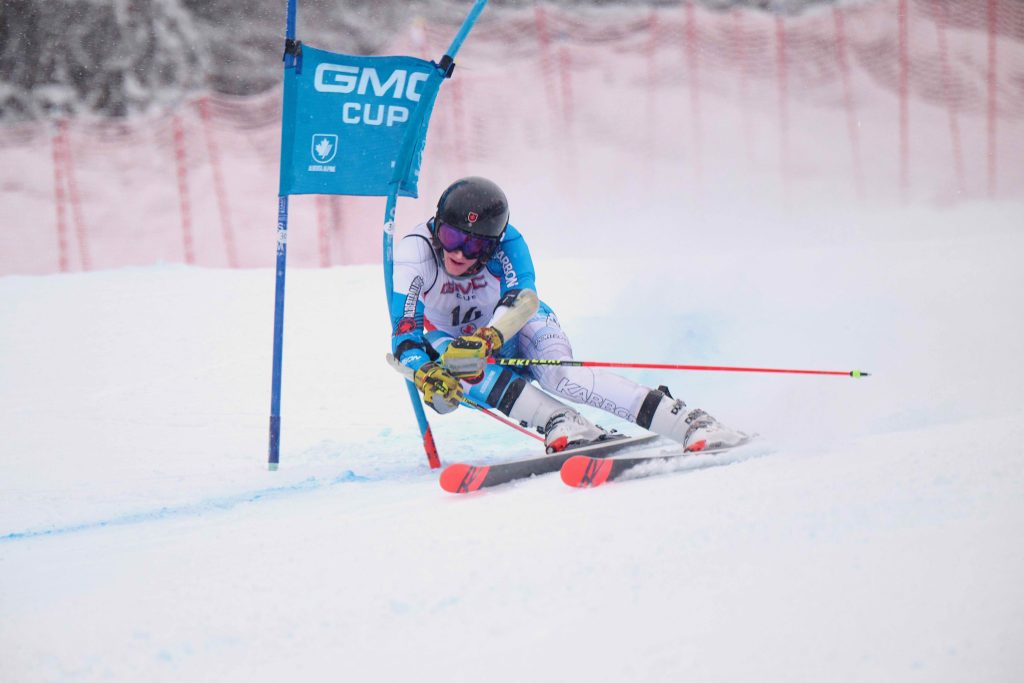
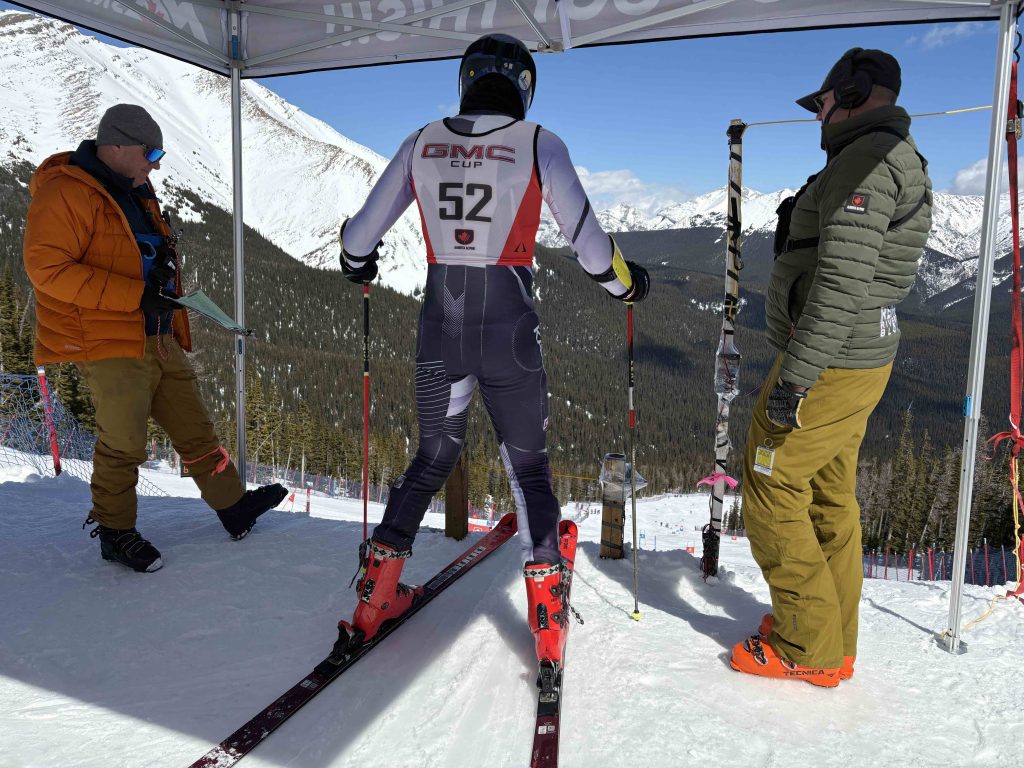
Increasing the number of FIS GMC Cup Series starts in the province gives our older athletes more opportunities to compete at a high level without always having to travel outside Alberta. It also provides valuable opportunities for volunteers and officials to participate in the FIS environment while strengthening the overall competition pathway within the province.
Canadian National Championship Returns to Nakiska
One of the biggest highlights of the season will be the return of the Canadian National Championship to Nakiska.
Hosting a national championship in Alberta is a significant opportunity for our athletes, coaches, clubs and volunteers. It allows Alberta athletes to compete on home snow against the best in the country, while also showcasing the quality of our venues and the strength of our alpine community.
Events of this scale take an enormous amount of planning and volunteer support, and we are looking forward to seeing the Alberta ski community come together to make it a great championship.
FIS Downhill Returns to Nakiska
We are also excited to see the return of downhill racing to Nakiska as part of the Spring Series.
Over the past several years, these races have become a cornerstone of the calendar for many athletes across the country. The demand for the events has been a strong reflection of the quality of racing and the experience that Nakiska provides, with the races being over quota for the past three consecutive years.
The popularity of these events speaks to the growing interest in providing quality opportunities for developing athletes. Downhill is an important part of athlete development, giving athletes the opportunity to build confidence, learn speed skills and experience the unique demands of the discipline in a controlled and competitive environment.
The Spring Series has also become a great way to finish the season, bringing athletes from across the country together for quality racing and an opportunity to continue developing their speed skills late in the season.
We are excited to welcome athletes back to Nakiska this spring and look forward to continuing to build on what has become one of the hallmark events on the calendar.
More U12 Racing Opportunities
The U12 schedule will also see the addition of another SL/GS event, giving our youngest racers more opportunities to experience different courses and race environments throughout the season.
At U12, the emphasis should be on developing confident, versatile skiers who enjoy competition and want to keep coming back. More opportunities to race, combined with the new Skills Award, are intended to support that broader development rather than focusing solely on results.
A Calendar Built Around Development
Ultimately, the calendar is a reflection of what we believe is important for athlete development.
The number of race starts at each age level, the disciplines offered, the timing of events and the overall rhythm of the season are all considered through that lens.
We want young athletes to have enough opportunities to compete without creating an overly demanding schedule. We want our U14 and U16 athletes to experience a variety of disciplines and venues while continuing to develop the skills that will support them as they progress. We want our FIS athletes to have strong opportunities to race at home and prepare for the next level of competition. And we want clubs to be able to host quality events without placing an unreasonable burden on their volunteers.
There is no perfect calendar, and every season involves compromises. But the work that goes into building it is guided by years of discussion, experience and a shared philosophy about what will best support the long-term development of Alberta athletes.
As we head into the 2026–27 season, there is a lot on the horizon to be excited about. The calendar may look like a simple list of dates when it is published but, behind every one of those dates, is a significant amount of planning, coordination and discussion about how each event fits into the bigger picture of athlete development.
Most importantly, it represents a tremendous amount of collaboration between Alberta Alpine, our clubs, resorts, coaches, officials and volunteers, all working together to give Alberta athletes the opportunity to develop, compete and enjoy the sport.