



AST Athlete Journal: Aidan Kometz
My name is Aidan, and I haven’t written an athlete journal in a while. I wanted to take a different approach to this entry. I want to look at the elements of ski racing. Skiing has to be one of the most unique sports ever; I’ll gladly argue that. I genuinely don’t think any other sport compares, and I hope I can convince you of that.
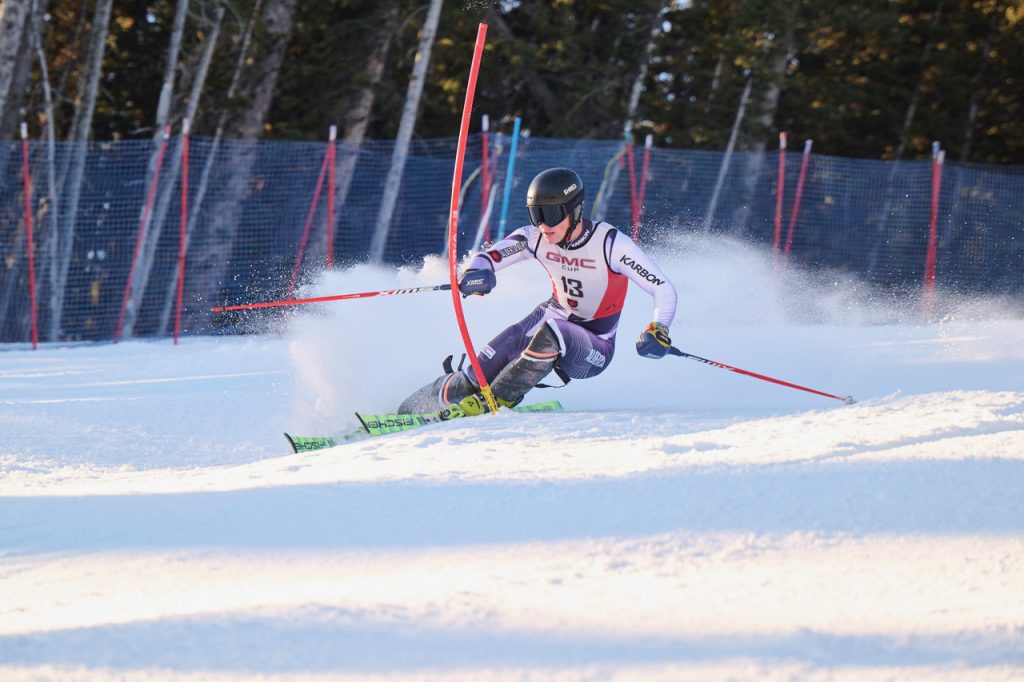
An element of ski racing that always boggles my mind is how insanely identical we ski. While our runs and techniques might look completely different, most of the time we are fighting for tenths or hundredths of a second. Sometimes I get too caught in the rut of thinking I am miles off the winner when I am a second out. I often take a step back and actually look at the difference between our times. My favourite thing to do is to use the stopwatch on my phone and try to start and stop the time as quickly as I can. It’s genuinely the blink of an eye, and I can almost never get it under 0.1 seconds. However, in racing, that can be the difference between first and fourth. That if you did 4 turns on a 35-turn course a couple of hundredths quicker, you would win. An example from this year was the GS NORAM at Tremblant. The person in 45th was two seconds out from the leader of that run, the racer in 75th was three. That means 30 people skied within that second of each other. That’s a person every 0.03 seconds. If you were to visualize the finish line while everyone crossed, it would be a blur, but that fraction of time is what represents who gets a second run or not. You have barely two whole minutes in a race to showcase all the hard work and dedication you put into improving over the past year, your past lifetime of skiing. I genuinely don’t know any other sport that has so many similar, basically identical, performances from so many different people. This is a sport of increasingly smaller margins, essentially chasing perfection.
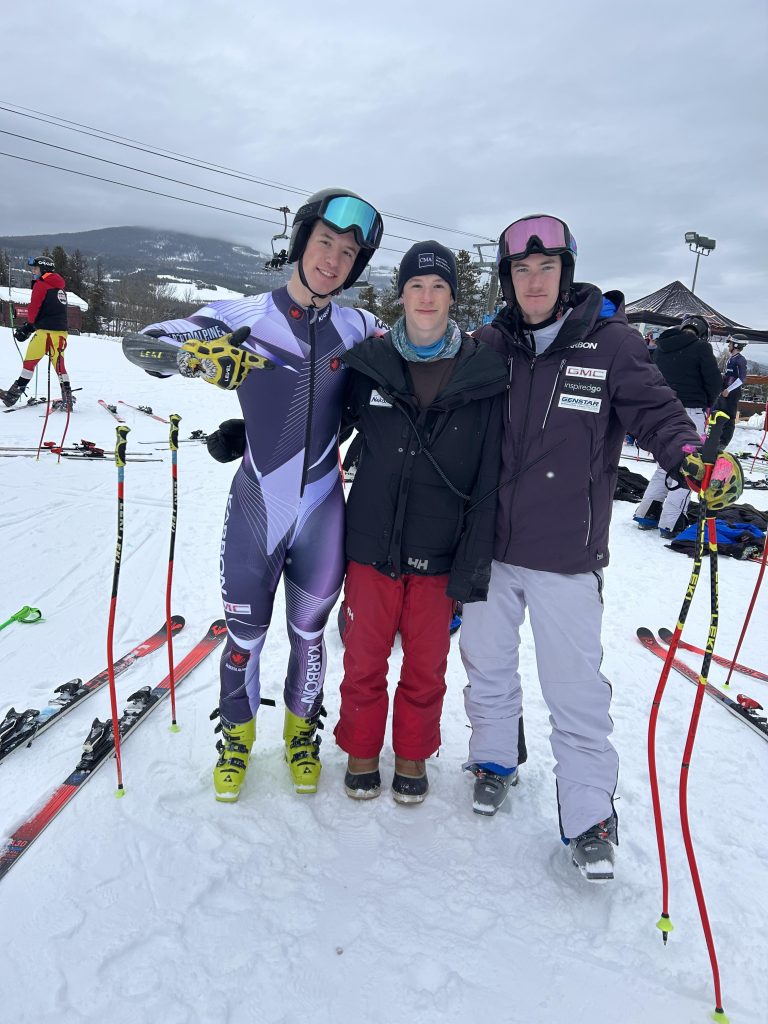
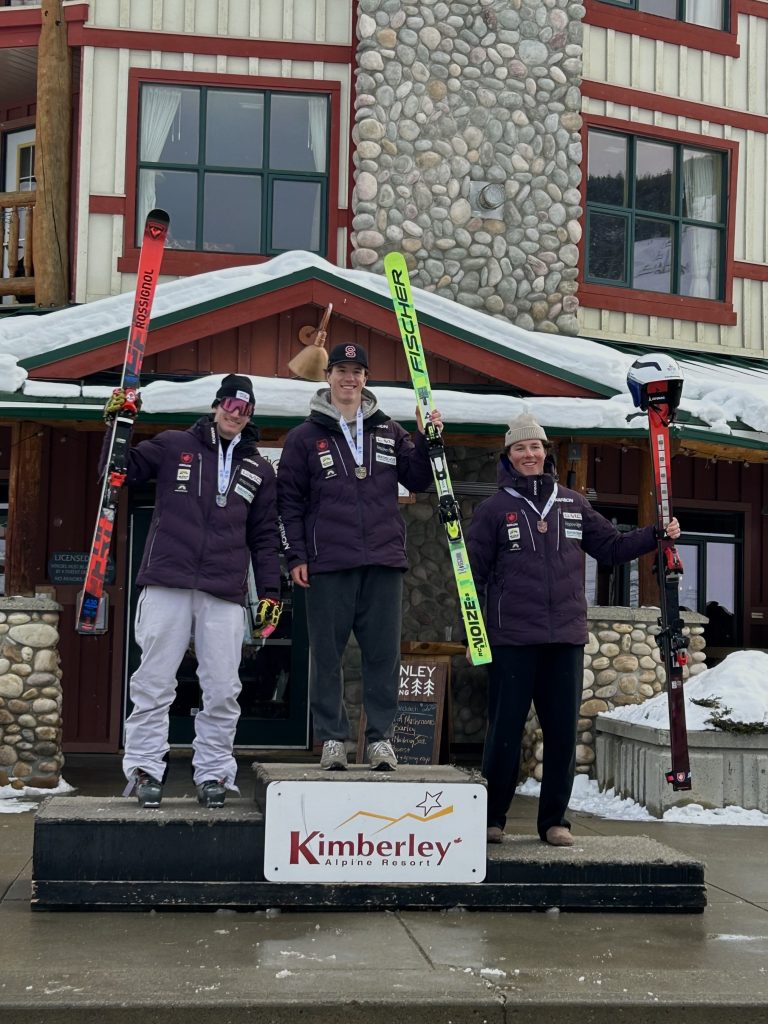
Another piece of ski racing that is unlike most is the weather and conditions. We are at the complete mercy of Mother Nature. The conditions can not only change overnight, but also during the actual race. As skiers, we need a hard surface for balance and safety, we need good visibility because we are going 60-120km/hr, and we need temperatures to be survivable. I have seen races cancelled because of -50 wind chill, snowstorms blinding us, wind gusts that force chairlifts to stop, snow so soft you can jab your pole a foot deep, or so much powder that normal skiers would ask why we complain. These variables are not something most athletes deal with, and because of that, we are adapted to adapting. I was always told growing up in skiing that you have to “control the controllables”, otherwise you are wasting energy. This applies directly to the Kimberley Super-G series we just finished. We went there expecting three Super-G races, but only got off one. It was already dangerously soft snow for a speed discipline, so we are lucky we got one race, but when it poured rain that night, the next day was cancelled before we even loaded the lift. The uniqueness of this sport is highlighted by the sheer number of variables we deal with.
Ski racing also being an individual sport, means you face obstacles often isolated. When it comes down to race day, it is up to no one but you on how your race will go. The nice thing about team sports is that you can have a bad performance, and your team will still win. That rarely happens in racing. Every mistake you make directly and independently affects you. A split second of being unbalanced can lead to you falling over and washing away your whole race. You sit there after your race with no one to blame but yourself. We compete on a razor thin margin where fractional errors can completely destroy races, standings, or even careers.
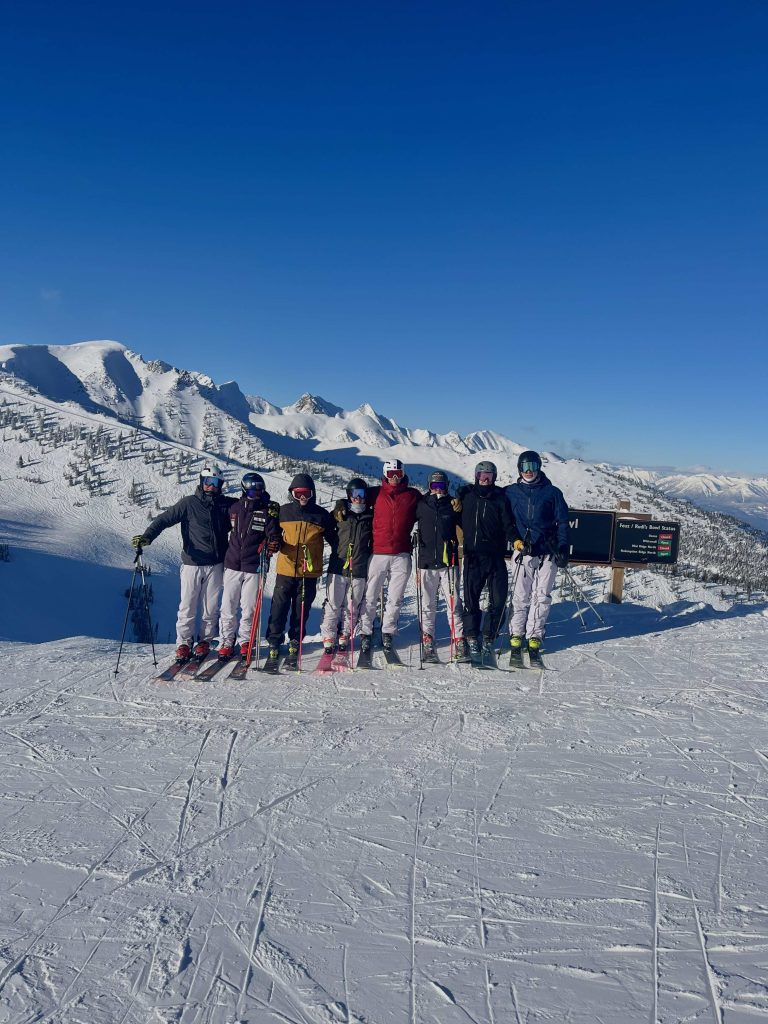
That’s why I am so thankful to be a part of a team. Having people to cheer on and also pull you out of the mental spirals is crucial in an individual sport as special and unique as skiing.
If you still aren’t sold on how crazy and incomparable ski racing is to other sports, look at what we are actually doing. My favourite disciplines are Downhill and Super-G, which definitely help paint ski racing as a crazy man’s sport. When you are racing, you are traveling at speeds that are illegal to drive on most roads in Canada (that’s also in a car going normally in a straight line on a level road). On most turns, you have to withstand a G-force of 3-4g’s with some downhill turns exceeding 6-7g’s. That’s higher than what most astronauts feel when launching to space. You also have minimal protection; there is no crumple zone. They set up the netting to slow you down and catch you, which is still crazy dangerous when you are hitting the net/ground at +100km/hr. Skiing also has one of the highest rates of season ending injuries out of all the sports. At the World Cup level, ~30 racers out of every 100 will sustain major injuries, 70% being knee related requiring surgery.
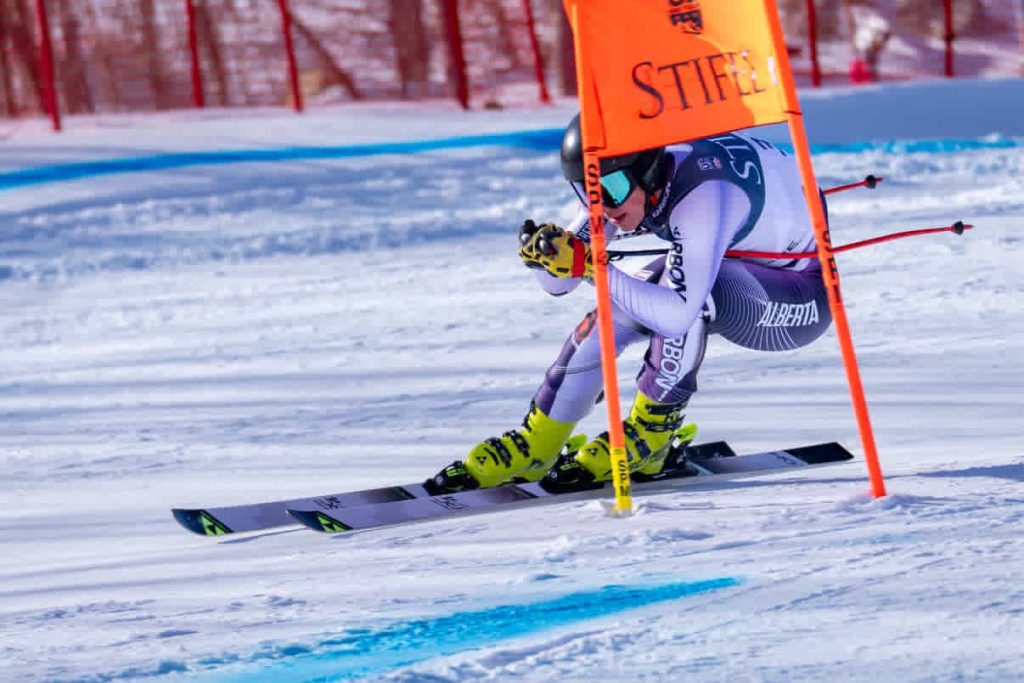
So all in, you are hurtling yourself down a mountain at the speeds you would normally be ticketed for, experiencing more forces than astronauts with a high risk assumption. You fight for fractions of a second, sometimes so quickly you physically can’t see the difference. You continuously deal with so many uncontrollable variables from weather to temperature to surface deterioration. All with the pressure that it is entirely up to you are your performance, that your only lifeline is your own reaction time. I’d say there are not many sports that can compare to that.
I am so thankful I get to compete and experience this sport. It has taught me so much and genuinely shaped who I am today. It would not even be remotely possible to do with the support of my family, coaches, and our sponsors GMC Dealers of Alberta, Mountain Fire Foods, Genstar, Inspired Go, Karbon, and Gear Up Mountain Sports.