



AST Athlete Journal: Will Puloski
Wow did that year go by fast! It feels like just yesterday we were off and on our way to Mt. Sima for the season opener. Now we’re finishing up our end of season Sunshine camp. As the 2025-26 ski season comes to a close, it’s a great time to reflect on all the fantastic memories, great new friends and tough lessons that this year brought.
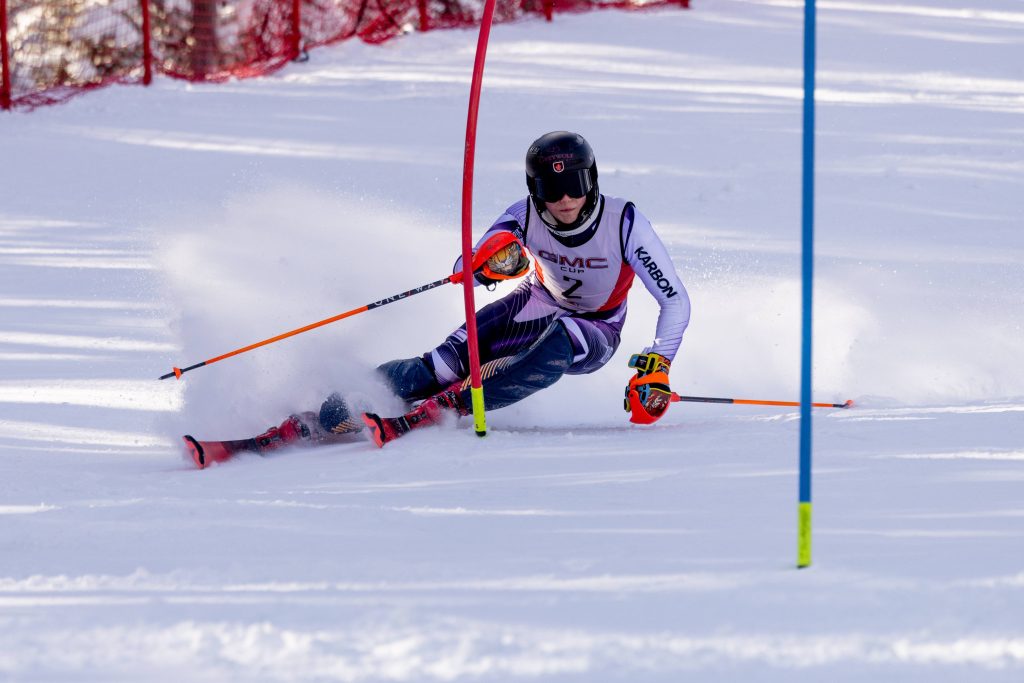
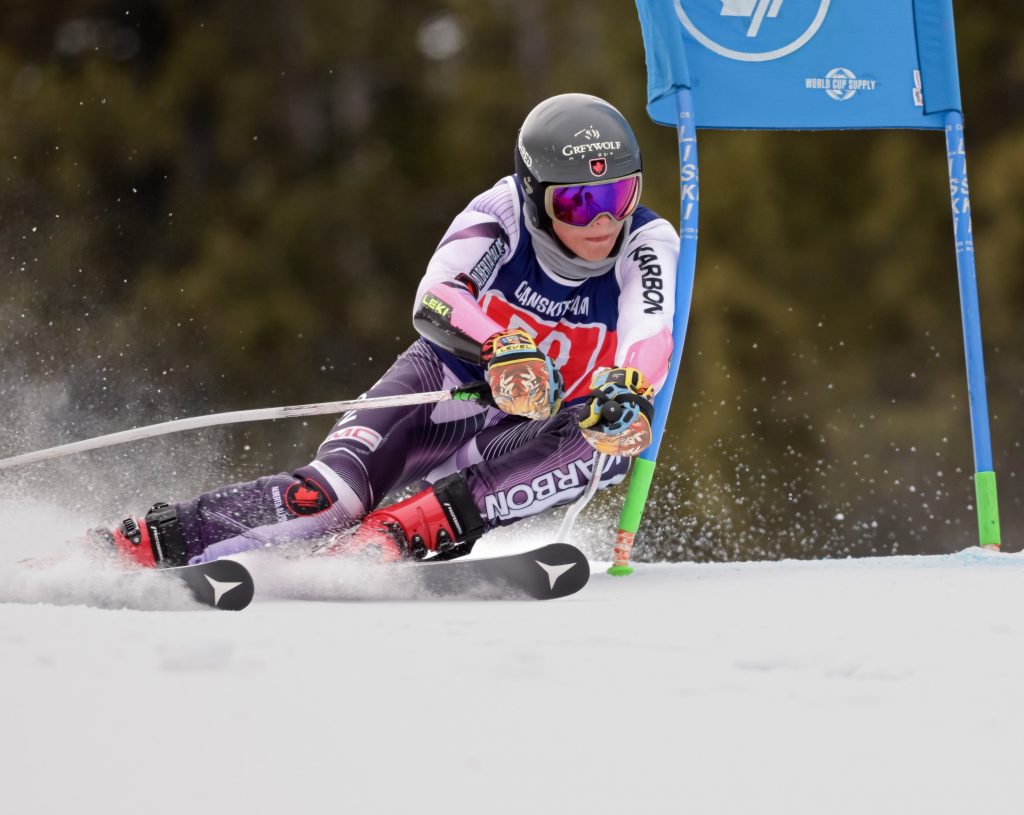
As I look back on my pre-season goals I am unfortunately underwhelmed and disappointed in the result-based achievements of this season. I still believe that I was able to improve significantly throughout the season fundamentally, I just believe I left lots to be desired on race day. It will be one of my significant goals next season to remain consistent from training to race day while striving for two great runs each race. Nearing the end of the season I found myself skiing one good run per day, but unable to score because I was missing out on that challenging second run.
Now that the snow has melted and the race season has ended, it’s easy to get caught up in the spring gardening, backyard bonfires and socializing with friends, but as coach Phil would say “next season just started.” Even though alpine skiing is a seasonal sport, results are a direct reflection of the time and dedication that exists off snow, during May, June and July. The Alberta Ski Team is lucky enough to have access to a great gym at the Calgary Sport Institute and professional trainers that create sport-focused training programs for the off season. Dryland training is one of the most important aspects that goes into on-snow success. Now that I am finally graduating high school, I am excited to have more time to devote to developing my physical strength before the 2026-27 season. Some of my main focuses for the off-season are mainly building strength and power, gaining weight, and learning new mental skills for the future.
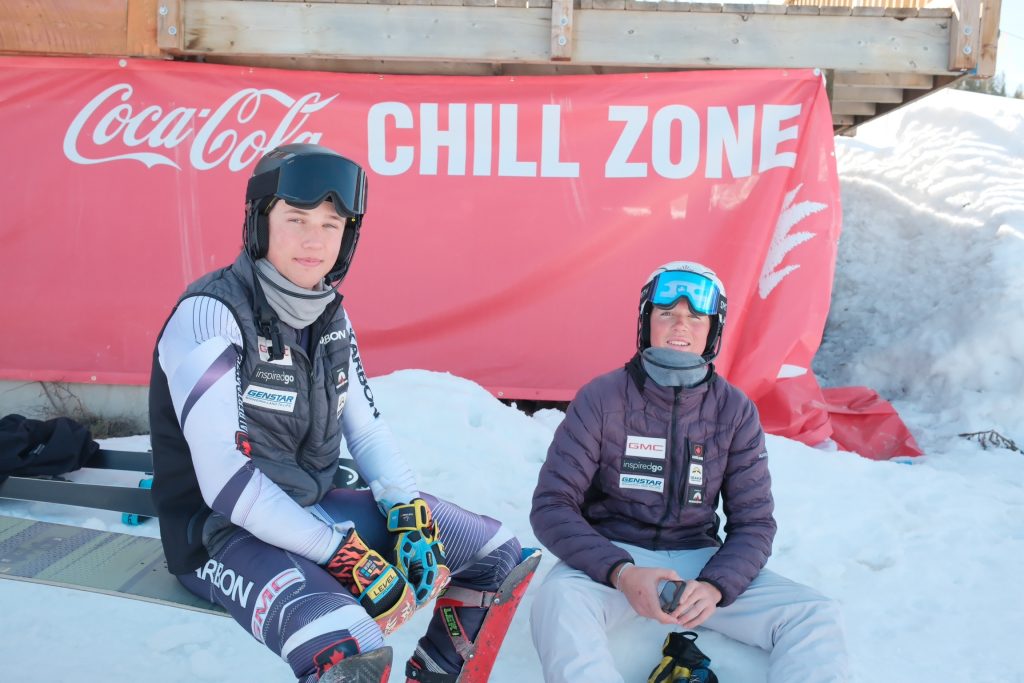
In addition to consistent gym and dryland training I am placing an importance in my nutrition. I have a goal to gain 15-20 pounds throughout the spring and summer which will require immense dedication as I have always struggled to gain weight. That means being much more intentional with my eating habits, forcing myself to intake an excess of good calories. As an incentive coach Phil and I have made a bet to see who will weigh more going into next season. With one-hundred dollars on the line, I will be eating as much as possible.
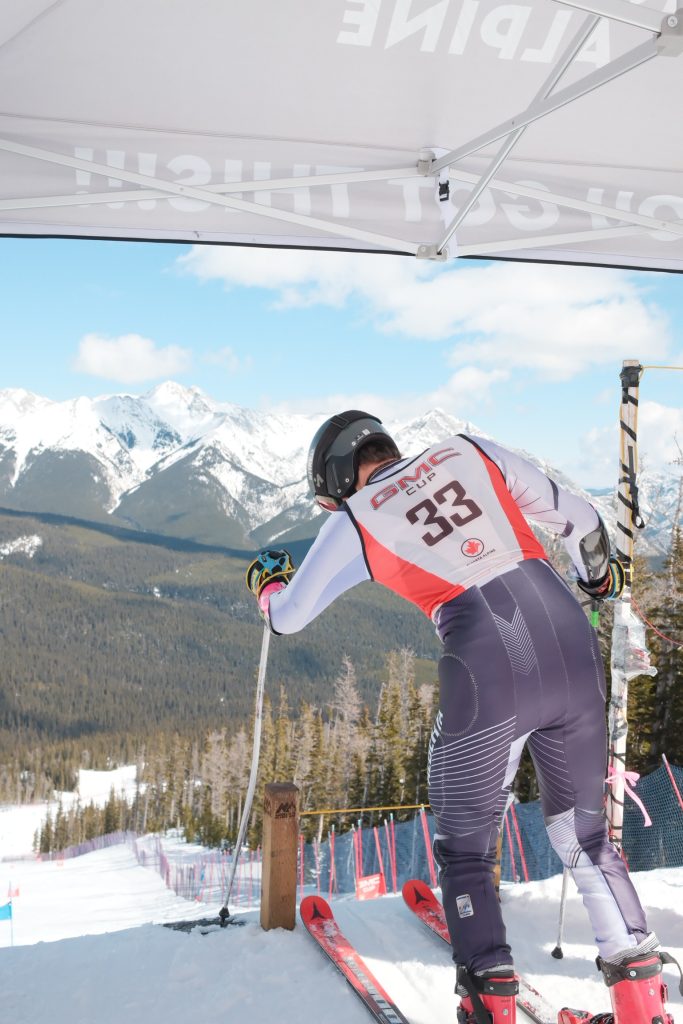
The off-season also gives me a great opportunity to develop the mental side of racing. This season showed me that skiing fast in training does not always translate to race-day results. There were moments where I struggled with pressure, overthinking, or mental blocks that affected my ability to put down two solid runs when it mattered most. Because of that, I’m looking into working with a mental trainer this off-season to develop stronger confidence, focus, and consistency under pressure. Ski racing is just as much mental as it is physical, and learning how to manage nerves and stay composed could be a major step forward for me next season.
I am super excited to have finally graduated going into the 2026-27 season as it will open up even more hours to dedicate to the challenging sport of ski racing. What excites me most about the off-season is the opportunity it creates. Every workout, every field session, every big meal, adds up over time. Success during the winter is built long before the first snowfall arrives. While it can sometimes be difficult to stay motivated during the summer months, keeping a focused mindset now will make all the difference once we are back in gates next season. This season would not have been possible without the amazing support from the GMC Dealers of Alberta, Mountain Fire Foods, Genstar, Karbon Sports, Inspired Go, and Gear Up Mountain Sports. Thanks again for everything!
Related Content
AST Athlete Journal: Cole Merrett
Hey everyone, it’s Cole Merrett checking in for my final athlete journal of the season!
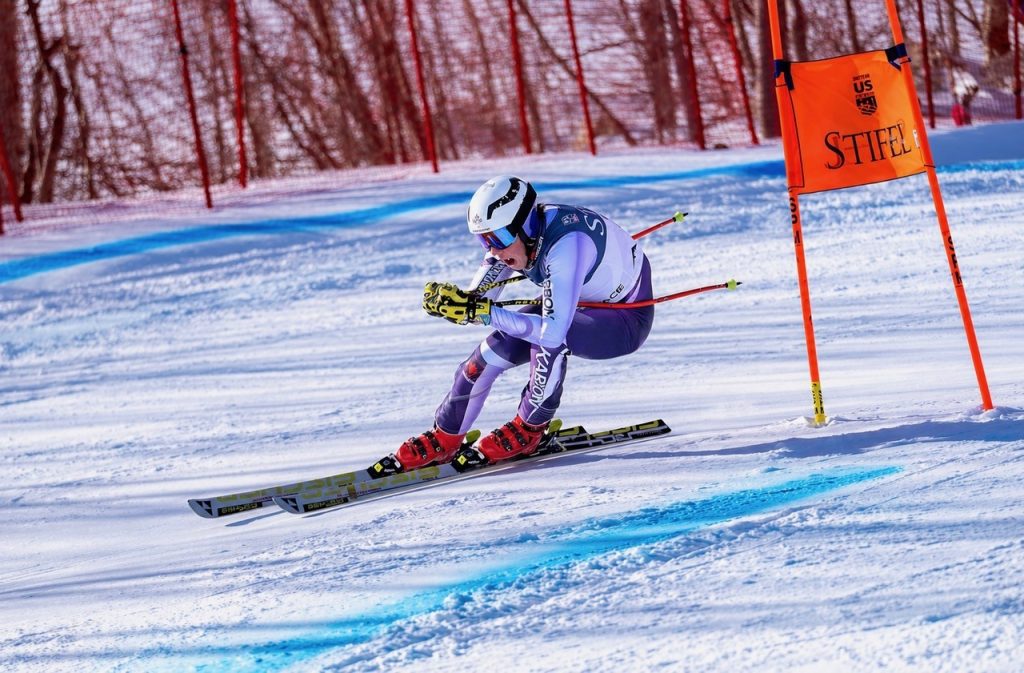
It’s crazy to think I’ve officially completed my first year on the Alberta Ski Team. This season was full of amazing experiences, new opportunities, and unforgettable memories that helped me grow both as an athlete and as a person. From traveling and competing to meeting incredible people along the way, I’m so grateful for everything this year brought. I wanted to take a moment to reflect and share some of my favorite memories and biggest learnings from an unforgettable season.
We started off our season in August this year in Saas Fee, Switzerland, where we had a three-week camp on the glacier, doing slow-speed technical drills to dial in the basics. This camp is a crucial stepping stone to get back into the sport after a couple of months off the snow. Following our stint on the glacier, we headed to Winterberg, Germany, where we spent 4 days indoors on a watered slope. This had to have been one of the coolest experiences, as you would have a two-hour session where we did 20 laps, having super high volume in a short time period. After this 4-week camp, I returned home and went to my first, last day of high school.
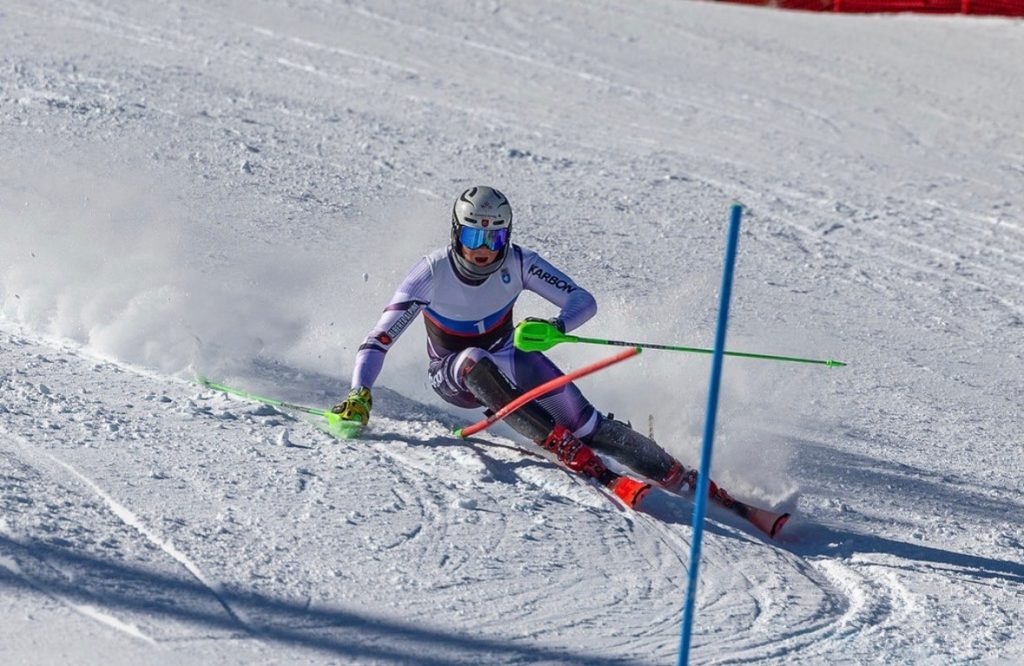
After grinding out school and getting back into the gym for three weeks, we departed for our second training block in Hintertux, Austria. Hintertux differed from Saas Fee, as it was a full winter destination with hard glacial ice. It provided a difficult challenge that beat your body up. Though it was very hard, it also drastically improved our skiing. Training on ice, which you needed your hockey skates for, made us very technically sound skiers. If you weren’t in the right body position, you wouldn’t stand a chance of turning the skis and making it down the hill.
As we returned from our second camp, we came back in time for Nakiska’s opening and got right into training on home soil. This had been the most skiing I had ever done before the race season, with almost 60 days on snow before the first race. I had made some big improvements in my skiing and was eager to get back into the starting gate. We flew up to Whitehorse, Yukon, where we had our first races of the 25/26 season. I was really stoked to score two personal bests, which showed the work I had put in really was paying off. From there, we flew back and competed in two GMC Cup regional FIS series, which concluded a three-week stint of racing before Christmas.
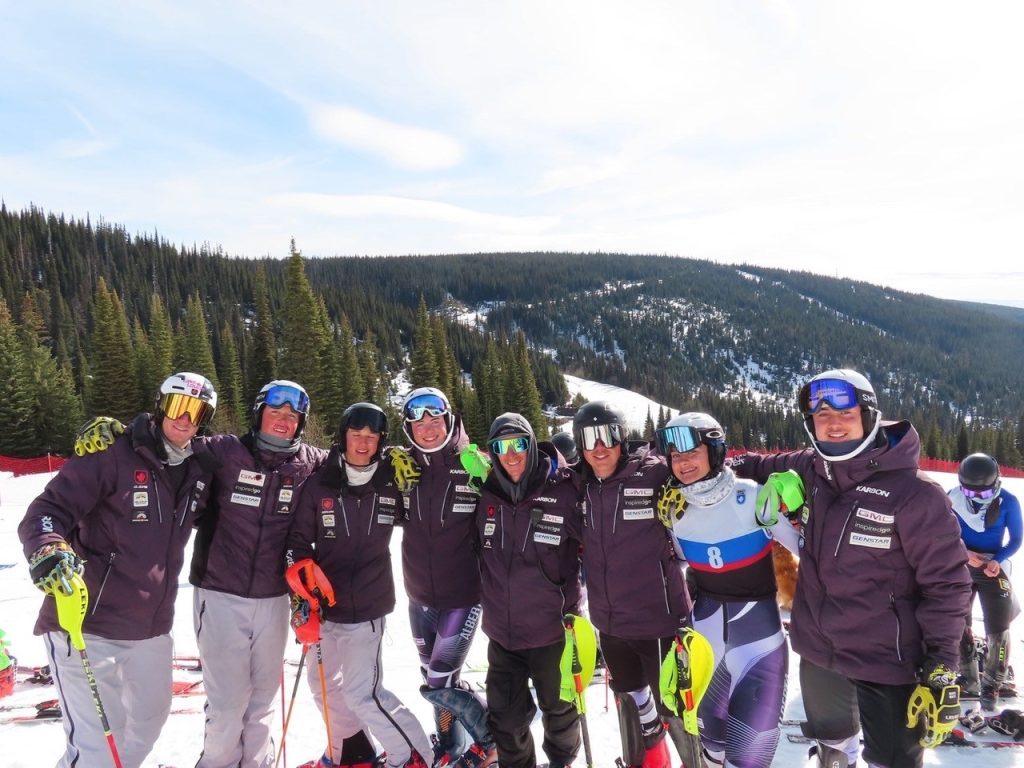
Following Christmas break, we started our two-month stint of racing, where we traveled to Quebec twice, throughout Alberta and BC, and down to the States for some NORAM races. As everyone does, I had some highs where I found success with good skiing but also had lows with frustration and bad performances. This season, I learned a lot about myself, the importance of headspace, and how much of an impact it has on my performances. One of the most crucial things I learned was the significance of positivity.
Throughout February, I had a three-week stint of bad races where I wasn’t putting down the results I wanted. Through this, I found the biggest thing I could do was to go into each new day with a positive attitude and expect a good outcome. I wouldn’t let any negative thoughts come into my brain and would only think about the task at hand. The biggest learning, though, was letting go of bad days. I made a rule for myself that if I had a bad day on the slopes, I could think about it for an hour or so following the race so I could reflect on what happened, but once I left the hill to go back to our accommodation, I wouldn’t allow myself to think of the negative. Instead, I’d remind myself of how good a skier I am and that I’m going to show everyone that the next day. A quote that really stuck with me this year was “Be committed to the process without being emotionally attached to the results.” To me, this means to trust the work you’ve put in and execute on the process, rather than focusing on the outcome. Things don’t always go as planned, but by being committed to the work I’ve put in, there’s always something to be proud of.
We were very lucky to have wrapped up the last bit of racing in the year close to home at Panorama, Nakiska, and Sun Peaks. Although it was definitely hard racing, I was happy to put down some good runs and conclude the year on a high note. Reflecting back on this year, I was really proud of myself for the hard work I put in the gym and on the hill to reach the goals I did. Although I fell short on a couple of my outcome goals, I felt my skiing was at the level; I just didn’t capitalize on the days that I needed to. Overall though, I had one of the most fun seasons of my life, and I got to spend it with all of the best people! As always, I want to thank the GMC Dealers of Alberta, Mountain Fire Foods, Genstar, Karbon Sports, Inspired Go, and Gear Up Mountain Sports. Your support helps make everything possible.
Thank you!
– Cole Merrett
Related Content
AST Athlete Journal: Thomas Cais
Hey everyone,
My name is Thomas and I am checking in for my final athlete journal of the season. It’s been a busy stretch lately with a lot of time on snow, lots of travelling, and it has honestly made the season absolutely fly by. It feels like just yesterday we were getting into the first blocks of training, and now we’re already wrapping things up.
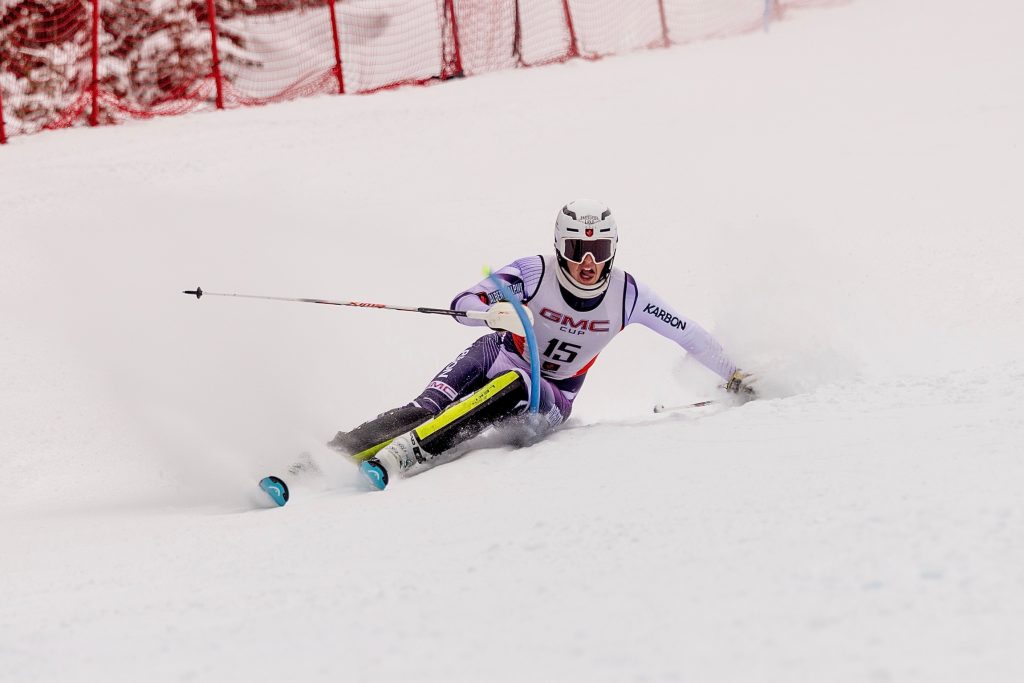
Things definitely haven’t slowed down either. Since getting back from the Nor-Am Finals in Aspen, we went straight into the National Championships in Panorama, followed by the Nakiska spring series. It’s been a bit of a challenge jumping from venue to venue, living out of bags, and constantly switching gears between training and racing. At the same time, it’s been a fun stretch and a great way to finish off the season with a lot of intensity and purpose.
The conditions throughout all of this have definitely kept things interesting. We’ve seen everything from soft, slushy spring snow to pretty firm, icy surfaces, often even within the same day. It’s made every run feel a little different and forced me to stay adaptable. I think that’s been one of the biggest takeaways lately, learning how to adjust quickly and not rely on perfect conditions to ski well. Being able to push when things feel good, but also stay composed and focused when they don’t, is something I’ve been trying to improve on.
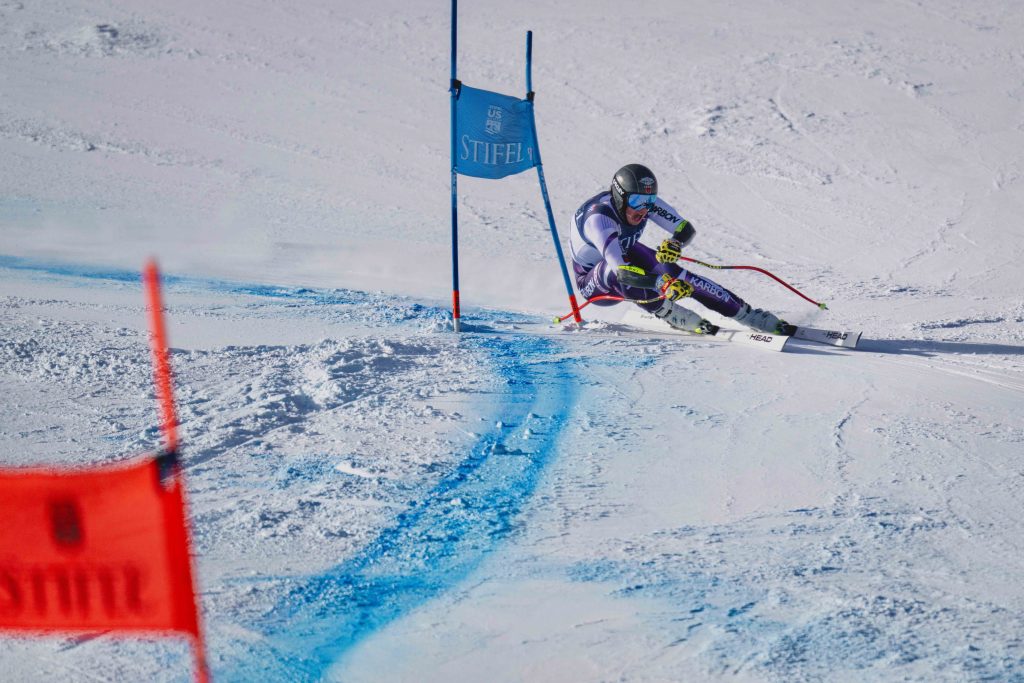
One thing that’s really stood out to me recently is how important it is to stay disciplined with the basics. Whether it’s soft snow or ice, both conditions present their own challenges, and small mistakes or lapses in technique and line can be pretty costly. There’s really no room to get away with anything. If I get lazy at the top of the turn, fall inside, or lose my position even slightly, it shows right away in my speed and line. It can be frustrating at the moment, especially during races, but at the same time it’s a really good reminder to stay focused on the fundamentals and trust the process.
We’ve also been doing a lot of volume lately, and I can definitely feel it physically by the end of the day. Long days on the hill, combined with travel, start to add up. Recovery has become a bigger priority, making sure I’m staying on top of hydration, stretching, and just taking care of my body so I can come back ready to go the next day. It’s something I’m still learning, but I’ve noticed how much of a difference it makes.
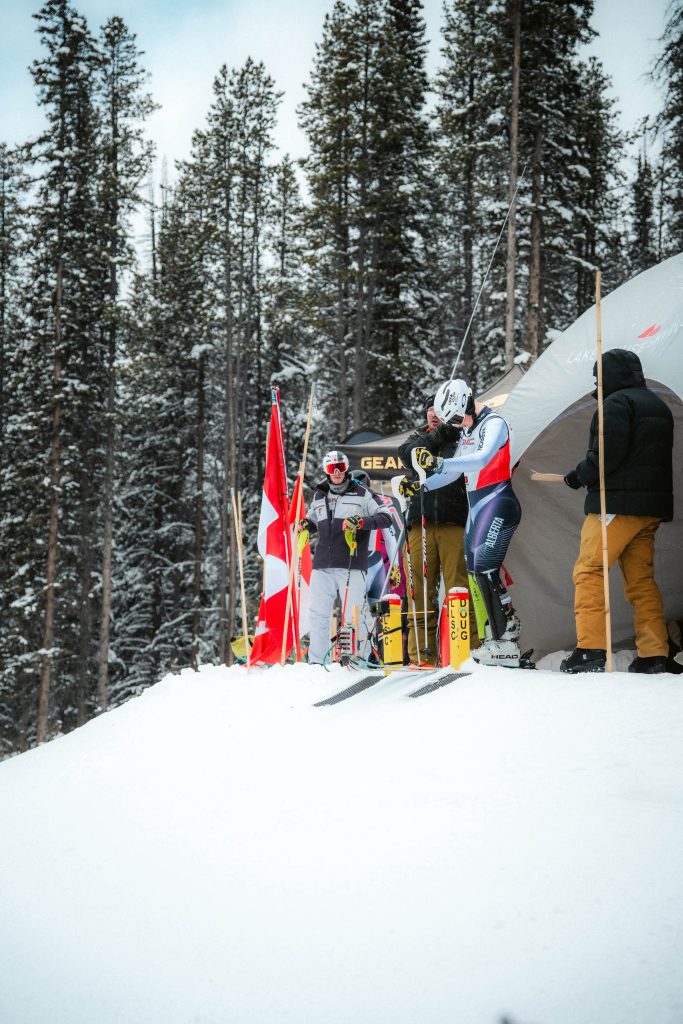
Overall, I feel like I’m continuing to build a better understanding of my skiing. Even though not every run feels great and results don’t always reflect the work right away, I know I’m making progress in the bigger picture. I’m starting to connect more pieces together, both technically and mentally, and that’s something I’m looking to carry forward.
As the season comes to an end, I think it’s also a good time to reflect on everything that’s gone into it, the early mornings, the tough training days, the travel, and all the small improvements along the way. It’s been a long season, but a really valuable one, and I’m grateful for all the experiences and lessons that came with it. As always, this couldn’t be possible without the gracious help from our sponsors, so a massive thank you to GMC Dealers of Alberta, Mountain Fire Foods, Genstar, Karbon Sports, Inspired Go, and Gear Up Mountain Sports.
Thanks for reading,
Thomas Cais
Related Content
AST Athlete Journal: Graeme Cliff
Hey everyone, it’s Graeme. Checking in for my final athlete journal of the season.
It’s been an unreal season to say the least, with some of the coolest and most unforgettable experiences. Coming onto the team this year, I didn’t really know what to expect and didn’t have too many expectations heading into the NORAM circuit. I ended up having some success in the speed events (Super-G and Downhill), with a few top 20 results and finishing 21st in the downhill overall standings. It has been an amazing but also a really eye-opening experience to race against some of the best skiers not just in North America, but in the world. The level of racing is super high, and it really shows you just how many levels there are to our sport. Writing this from Canadian Nationals in Panorama, it’s been tough to carry momentum from NORAMs into these races. I’ve had a couple DNFs and we’ve had to deal with some tricky conditions, especially in the tech races later in the week. This series has been a really good reminder of how many different aspects there are to the sport, not just the racing itself. The mental side, the physical side, recovery and staying focused, it’s all part of the long journey we’re on.
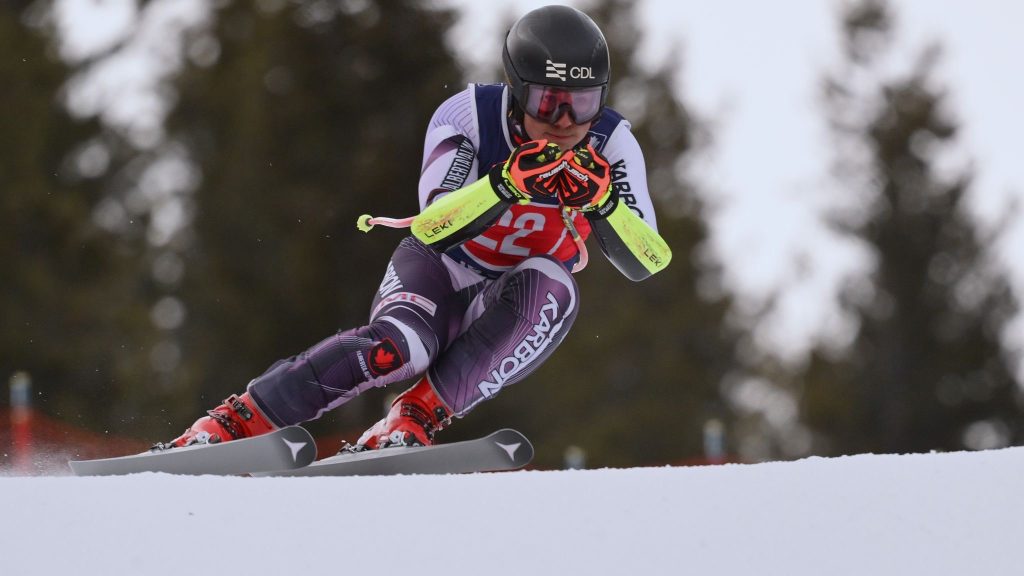
As the season starts to wind down, it becomes even more important to stay focused and disciplined with everything from adequate rest to making sure our ski equipment is in perfect shape. The warmer weather and softer snow can often make conditions less favorable, which makes it even more important to be just as in it as you were at the start of the season. It’s easy to feel the fatigue at this point in the year, especially after the full race schedule of the NORAM circuit across the country to FIS races on home snow. Mentally, it’s been easy to get frustrated with results, certain races not going the way you would have wanted them to. Throughout the season I’ve had times where I was super frustrated with a result, but even when those results hadn’t gone the way I wanted, I’ve been trying to move on quickly and stay focused on what’s ahead. That mindset has helped me push through the tougher parts of the season and make the most of the opportunities in front of me.
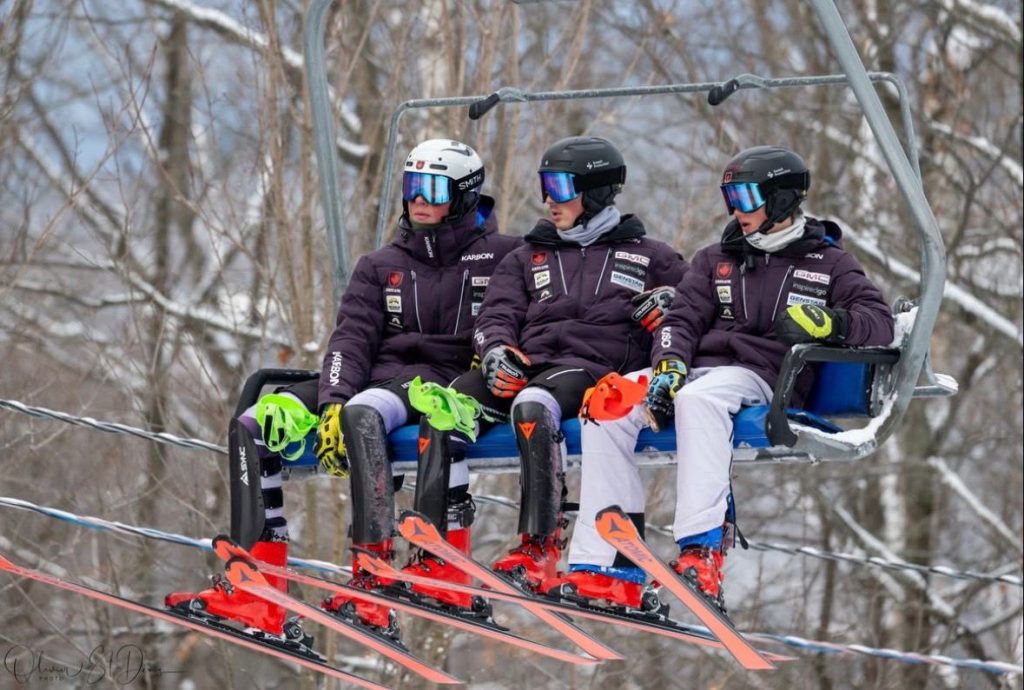
Looking ahead to the final races at Nakiska and Sun Peaks, the goal is to finish the season strong and take advantage of every race start I have left. These races are still a great opportunity to put everything together and put down some great results. Staying focused and keeping my body in the shape it needs to be will be the key to success in these final races of the season. This first year on the Alberta Ski Team has been an unforgettable experience, from our first preseason camps in Saas-Fee, Switzerland and Hintertux, Austria to the NORAMs out east in Whiteface, NY and Mont Tremblant, Quebec. This season has brought me to places I never knew were possible, and I’m really grateful to everyone who has been a part of supporting our team this season. You guys make all the difference. I’m motivated as ever to push myself to the limit and finish the season strong.
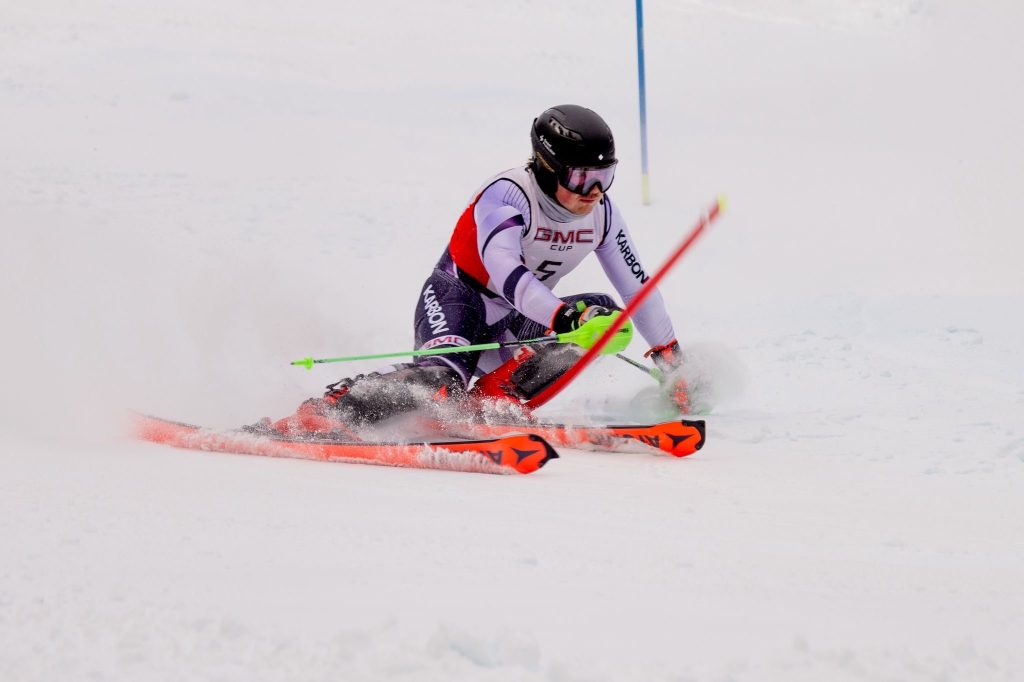
Thank you to our sponsors, the GMC Dealers of Alberta, Mountain Fire Foods, Genstar, Karbon Sports, Inspired Go, and Gear Up Mountain Sports. Your support helps make everything possible.
Thank you!
Related Content
AST Athlete Journal: Gavin Johnson
Hey everyone, Gavin Johnson here with my final journal of the season.
We’ve all just returned from Aspen, where we were competing in the NorAm Finals. I was there for both the speed and tech events, facing conditions unlike any race I have ever experienced. It was 20-plus degrees every day, creating an environment that made it hard to recognize that we were there to ski down a mountain. However, the conditions managed to hold up surprisingly well during the speed portion of our series, providing us with an opportunity to challenge the top 30. Unfortunately, I was unable to seize the moment, and the top 30s eluded me. Entering the tech half of the Norams, I was hungry for redemption following my poor performance in speed. But the 20-plus degree days had caught up with the mountain. I distinctly remember being at the top of the course and overhearing the U.S team radio say. “God praise anyone who manages to make it down.” Starting near the back of the pack, I am used to difficult positions, but the last few days made every other “bad course” experience seem like a walk in the park. I battled through the ruts as hard as I could, but each day the mountain beat me. However, I am grateful to have experienced these conditions, grateful for my growth in both mental and physical toughness. I will forget a lot of races during my time as a ski racer, Aspen 2026 will not be one of them.
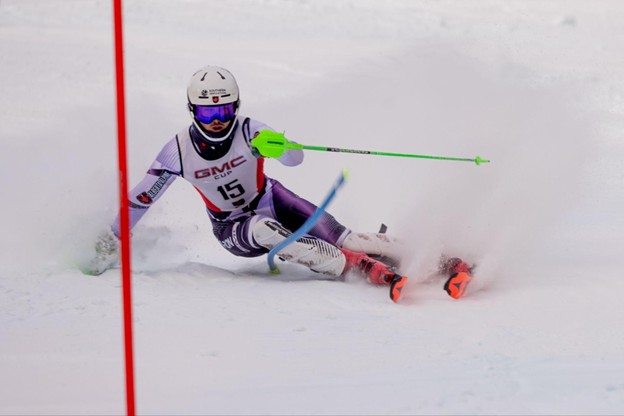
I want to circle back to my comment on mental toughness. In reality, it was not just Aspen that strengthened these characteristics, but my entire NorAm experience. This was my first time following the Noram circuit. Entering the season my expectations for Noram starts were low but nonetheless after each race I couldn’t help but feel discouraged. It felt and still feels like those top 30 finishes, especially in tech, are still far from my reach. This year, I was unable to get a single top 30 finish, and in many ways, this feels like a failure. However, as I have had time to reflect after finals, I have decided to embody a new perspective. I have only failed if I allow myself to view the Noram season as a failure. Sure, I did not score any points, sure I was beat down by DNFs and missed second runs. But these numerical stats don’t define my Noram experience. I have gained a deeper understanding of what it takes to perform at these races. I have increased my toughness through every race. I am hungry to fight through the Noram circuit next year with a greater sense of experience and continue my climb to the top 30.
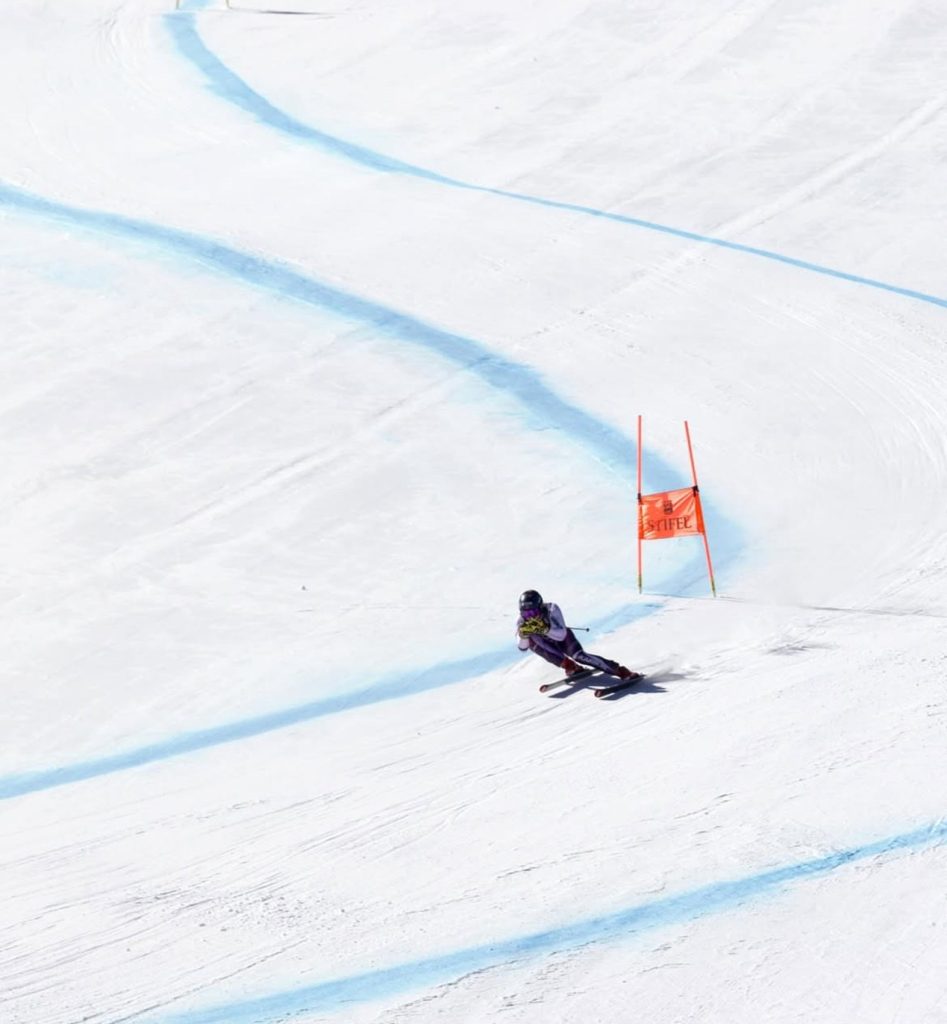
I am writing this entry in my house in Invermere as we are resting before Canadian National Champs and the last push through the final FIS races of the season. Nationals is at my home club of Panorama, which is a refreshing break from the traveling and a home-field advantage I am dying to take advantage of. Entering this final push, I am looking to perform my best at these races. Taking everything I have learned from this season and trying to piece it all together to continue to knock down my fis points. It has been an amazing season and an honor to be a part of the Alberta Ski team. I am grateful for every experience and look forward to what the future holds.
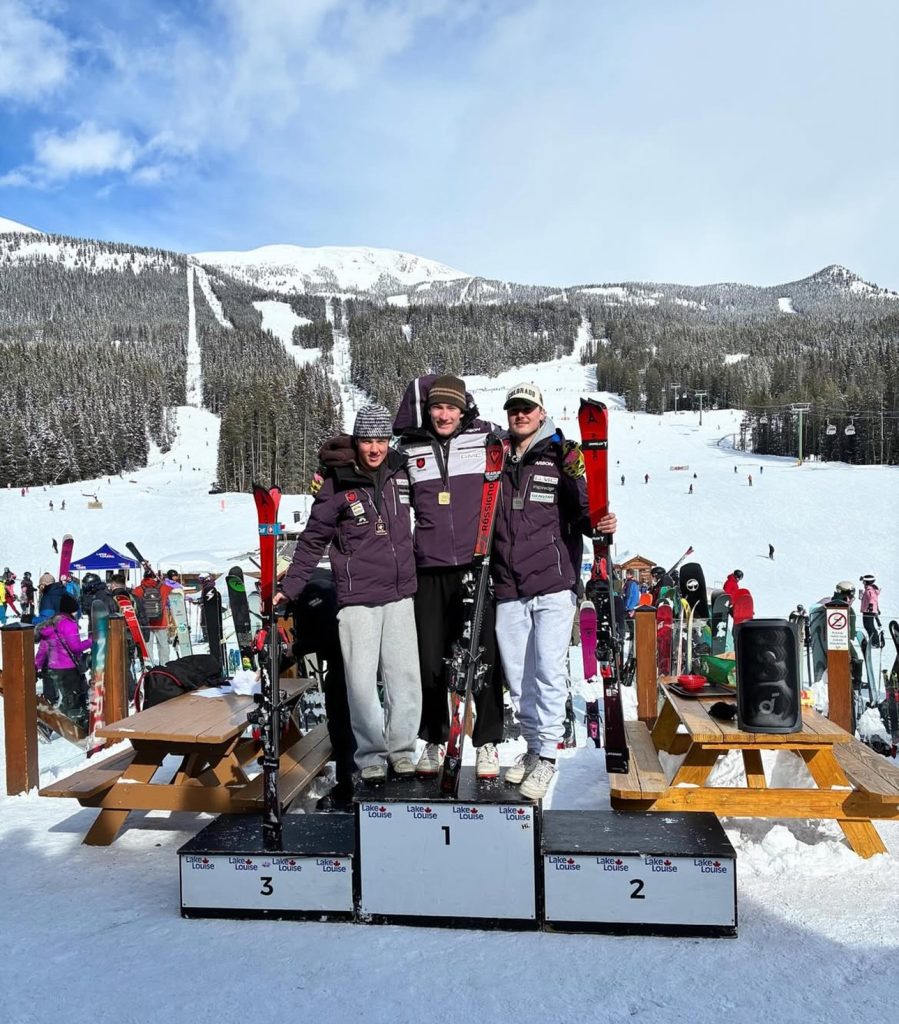
Thank you to our sponsors, the GMC Dealers of Alberta, Mountain Fire Foods, Genstar, Karbon Sports, Inspired Go, and Gear Up Mountain Sports. Your support helps make everything possible.
Thank you!
Gavin
Related Content
AST Athlete Journal: Katie Smith
Hello everyone, it’s Katie checking in for my second athlete journal of the season.
It has been an interesting season so far. Right before Christmas I was in one of the best places I’ve ever been in my skiing. I had just come off a strong preseason and was finally figuring out my skiing and for the first time in a while, I felt like everything was coming together. I was confident, excited, and just loving skiing.
But then things changed. I crashed racing GS in the Panorama Christmas series on December 20. When I hit my head, I didn’t think much of it at first. I didn’t really understand what a concussion was, and I thought I was fine. It wasn’t until I tried to race the next day that I realized something was wrong. I felt unsafe in my own body, which is a really hard feeling to describe. My timing was off, I didn’t feel in control, and something just wasn’t right. That was the moment it really hit me that I couldn’t just push through. Looking back, feeling nauseous and dizzy aren’t normal.
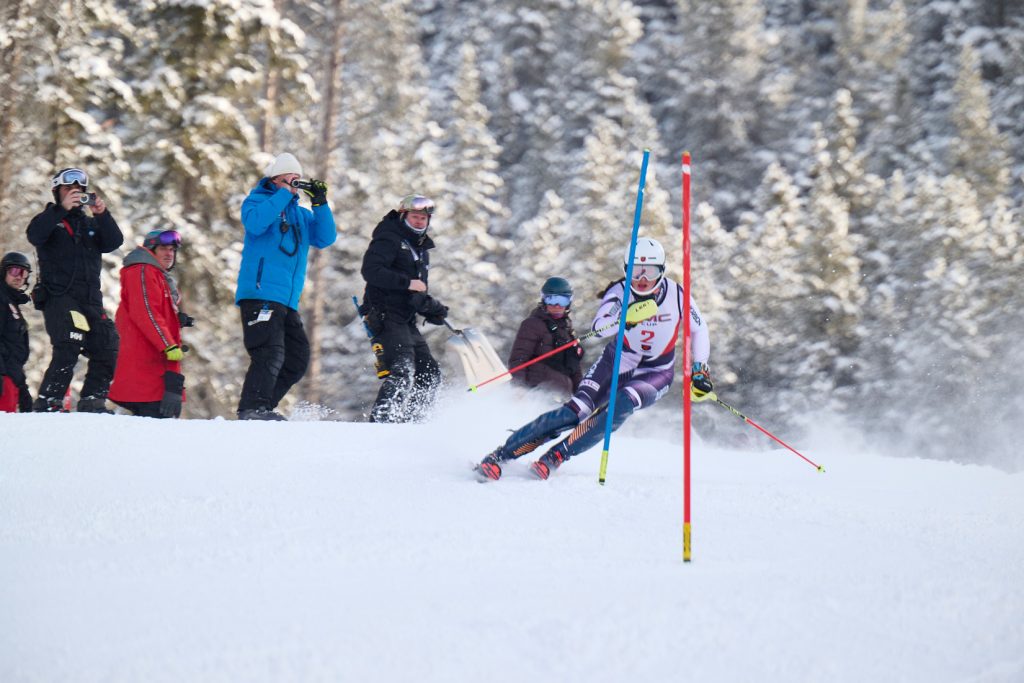
Following my crash and right before Christmas I went to the Benson Concussion Clinic for diagnosis and treatment. The first 2 weeks went by fast. I felt better every day and was able to do more each day but it was also Christmas break and I was relaxing with my family. It turned out that the recovery process was a lot harder than I expected. At first, I thought it would be quick, but progress wasn’t linear. Some days I felt better, and then symptoms would come back. The hardest part was feeling so close to being okay, but not actually being there. It was frustrating to feel like I was improving, but still not able to train or race the way I wanted to. I was still getting symptoms with activity but it seemed like they were slowly getting better.
Another really difficult part was watching my team compete while I couldn’t. I had never felt that left out before. I wanted so badly to be out there with them, especially knowing the shape I had been in before the injury. It made me realize how much I love competing and being part of the team environment. I now understand how the parents feel about watching live timing from afar!
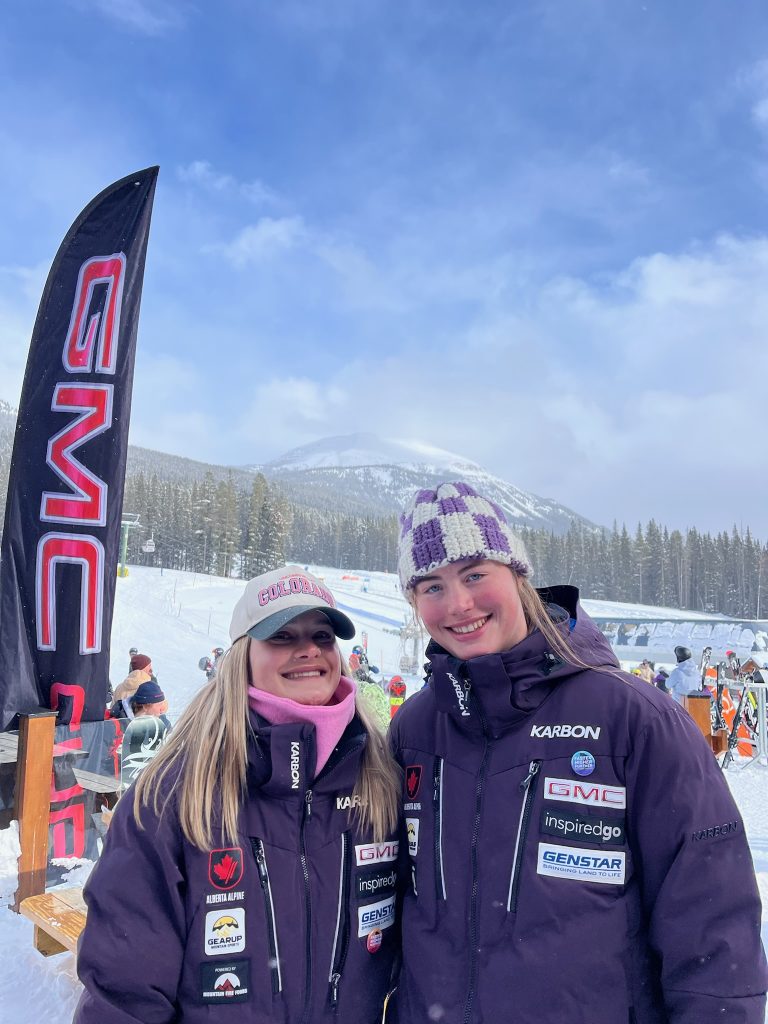
It wasn’t until the third week that I realized concussions are a lot more serious than I thought. My symptoms weren’t really improving anymore and when I would do harder activities I would feel really sick. When my progress stalled Dr. Benson sent me to a neuro optometrist for assessment. This is when I learned that my eyes weren’t working together and not tracking properly. I began vision therapy and quickly experienced improvement. It was amazing! It was exciting to have something to work on that made such an immediate difference. I was cleared on January 26 and I started training immediately and was excited to join the team after 6 weeks off.
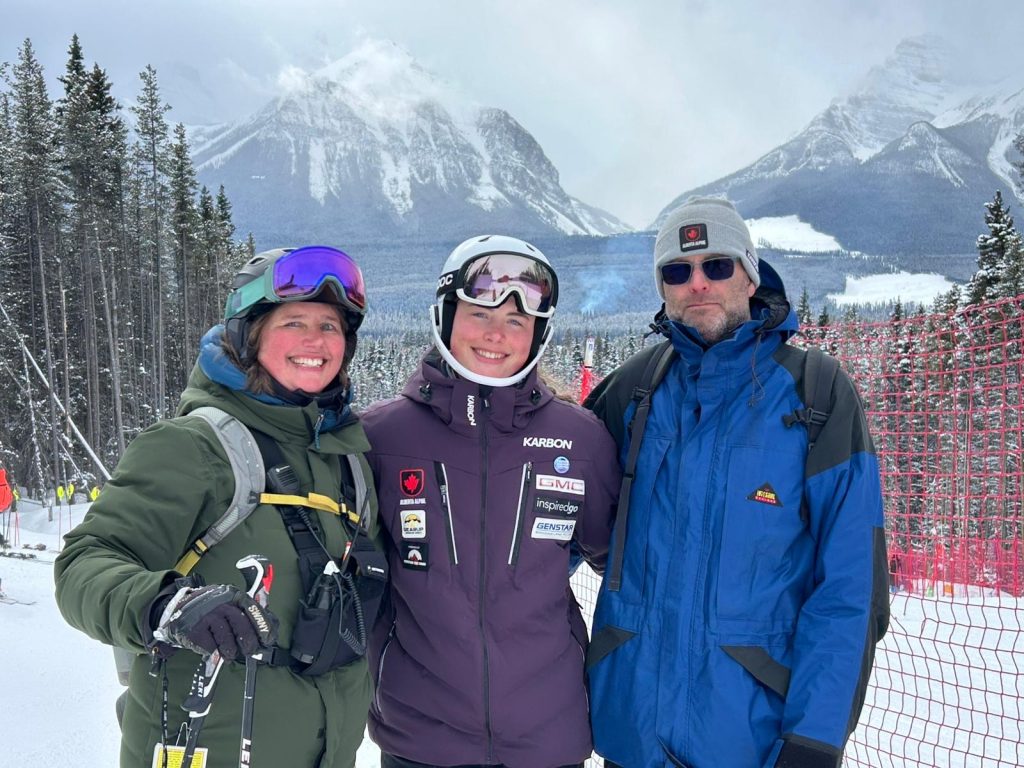
Looking back, this experience taught me a lot. I learned how important it is to listen to my body, even when it’s hard to slow down. As athletes, we’re so used to pushing through things, but this was something I couldn’t ignore. It also taught me patience, which is something I’ve always struggled with. Recovery doesn’t happen on your timeline, and I had to accept that. Concussions are scary and I am glad that I took the proper time to fully recover and I’m grateful for the support from my team, coaches and the team at Benson Concussion clinic.
This experience has changed me as an athlete. I have a greater appreciation for my health and for the ability to train and compete. It also made me stronger mentally, because I had to stay motivated and positive even when I wasn’t able to do what I love most. Even though it was a setback, I think it will help me in the long run. It reminded me why I love skiing so much, and I’ve come back more aware, resilient, and motivated.
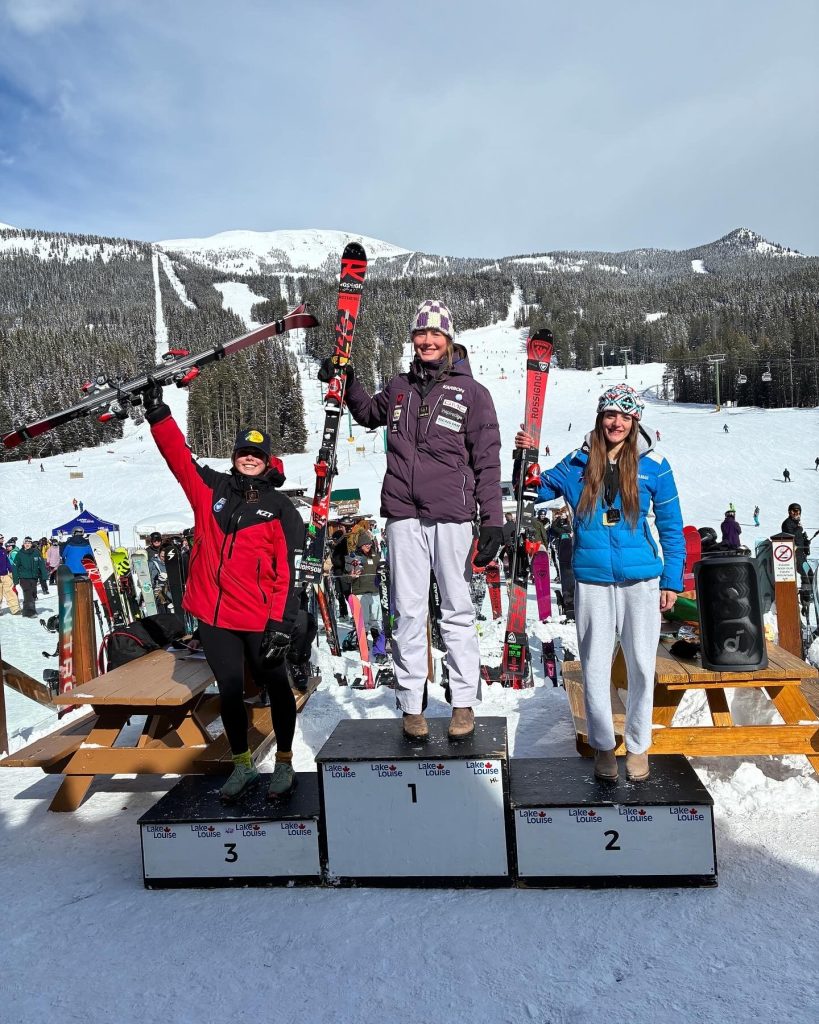
The team’s most recent race was at my home hill for the Lake Louise slalom Extravaganza! It was awesome to be back at my home hill and our team of volunteers did an amazing job pulling off 2 races a day per gender. It was heartwarming to see the Lake Louise family come together to produce an amazing event while grieving the tragic loss of Emilio. My condolences go out to Emilio’s family and friends and he will forever inspire me to go faster higher further
I hope you all enjoy the rest of what this season has to offer and I look forward to seeing you on the slopes. I am grateful to our strong and inspiring Alberta Alpine community of parents, athletes, coaches and volunteers. I am also grateful for our generous sponsors. None of this would be possible without the support from the following sponsors; the GMC Dealers of Alberta, Mountain Fire Foods, Genstar, Inspired Go, Karbon, and Gear Up Mountain Sports. Thank you!
-Katie
Related Content
AST Athlete Journal: Aidan Kometz
My name is Aidan, and I haven’t written an athlete journal in a while. I wanted to take a different approach to this entry. I want to look at the elements of ski racing. Skiing has to be one of the most unique sports ever; I’ll gladly argue that. I genuinely don’t think any other sport compares, and I hope I can convince you of that.
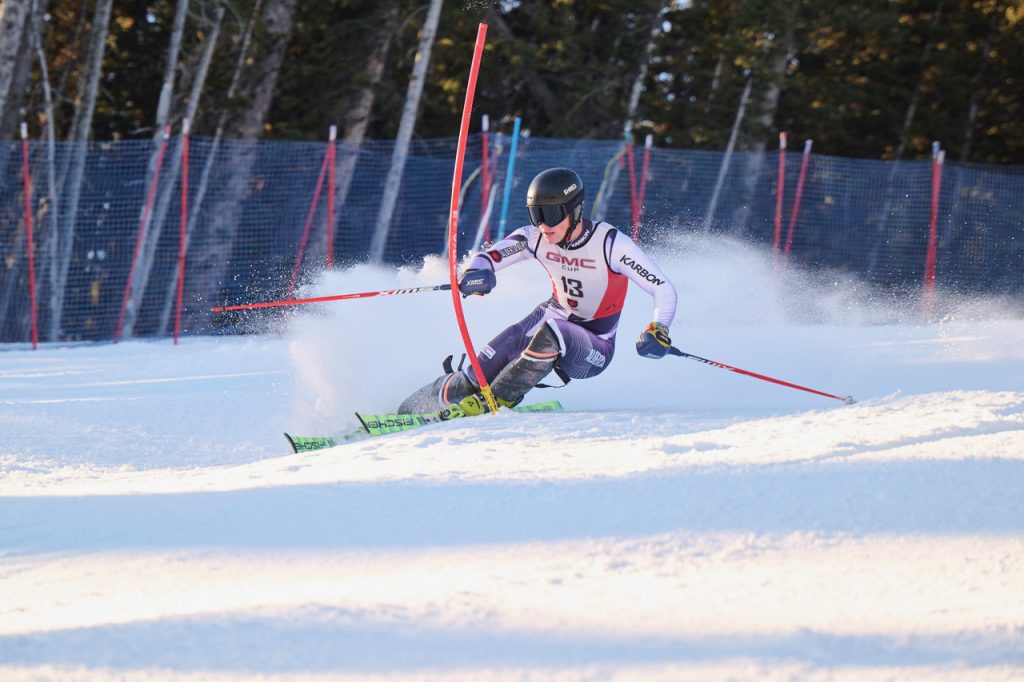
An element of ski racing that always boggles my mind is how insanely identical we ski. While our runs and techniques might look completely different, most of the time we are fighting for tenths or hundredths of a second. Sometimes I get too caught in the rut of thinking I am miles off the winner when I am a second out. I often take a step back and actually look at the difference between our times. My favourite thing to do is to use the stopwatch on my phone and try to start and stop the time as quickly as I can. It’s genuinely the blink of an eye, and I can almost never get it under 0.1 seconds. However, in racing, that can be the difference between first and fourth. That if you did 4 turns on a 35-turn course a couple of hundredths quicker, you would win. An example from this year was the GS NORAM at Tremblant. The person in 45th was two seconds out from the leader of that run, the racer in 75th was three. That means 30 people skied within that second of each other. That’s a person every 0.03 seconds. If you were to visualize the finish line while everyone crossed, it would be a blur, but that fraction of time is what represents who gets a second run or not. You have barely two whole minutes in a race to showcase all the hard work and dedication you put into improving over the past year, your past lifetime of skiing. I genuinely don’t know any other sport that has so many similar, basically identical, performances from so many different people. This is a sport of increasingly smaller margins, essentially chasing perfection.
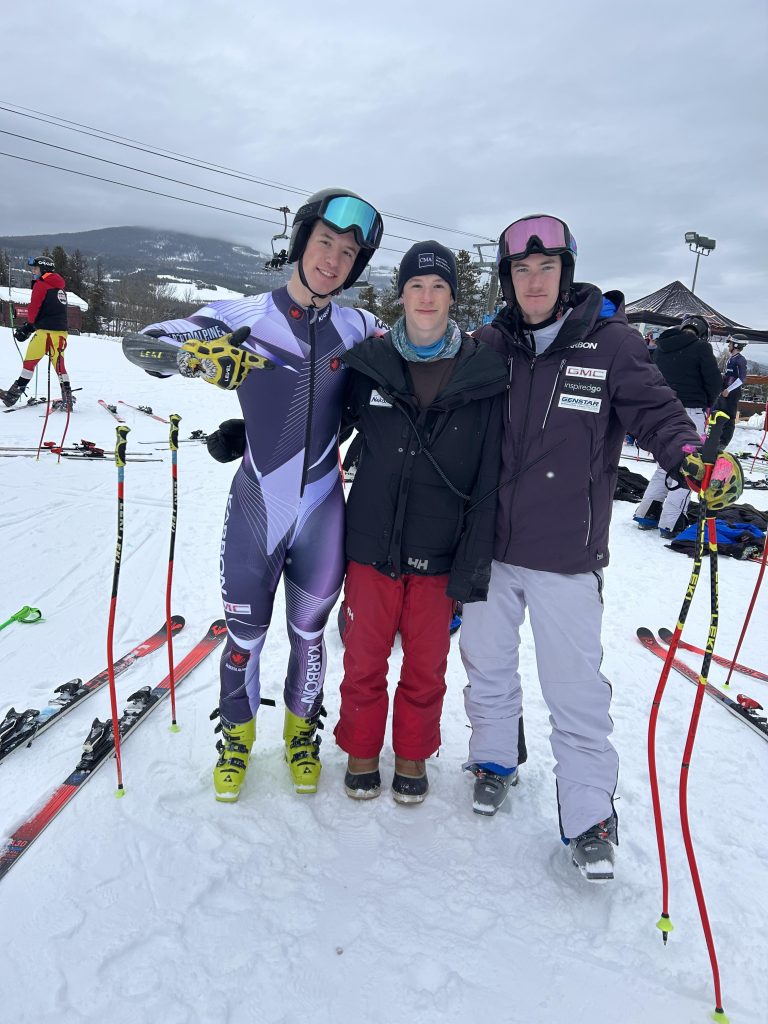
Another piece of ski racing that is unlike most is the weather and conditions. We are at the complete mercy of Mother Nature. The conditions can not only change overnight, but also during the actual race. As skiers, we need a hard surface for balance and safety, we need good visibility because we are going 60-120km/hr, and we need temperatures to be survivable. I have seen races cancelled because of -50 wind chill, snowstorms blinding us, wind gusts that force chairlifts to stop, snow so soft you can jab your pole a foot deep, or so much powder that normal skiers would ask why we complain. These variables are not something most athletes deal with, and because of that, we are adapted to adapting. I was always told growing up in skiing that you have to “control the controllables”, otherwise you are wasting energy. This applies directly to the Kimberley Super-G series we just finished. We went there expecting three Super-G races, but only got off one. It was already dangerously soft snow for a speed discipline, so we are lucky we got one race, but when it poured rain that night, the next day was cancelled before we even loaded the lift. The uniqueness of this sport is highlighted by the sheer number of variables we deal with.
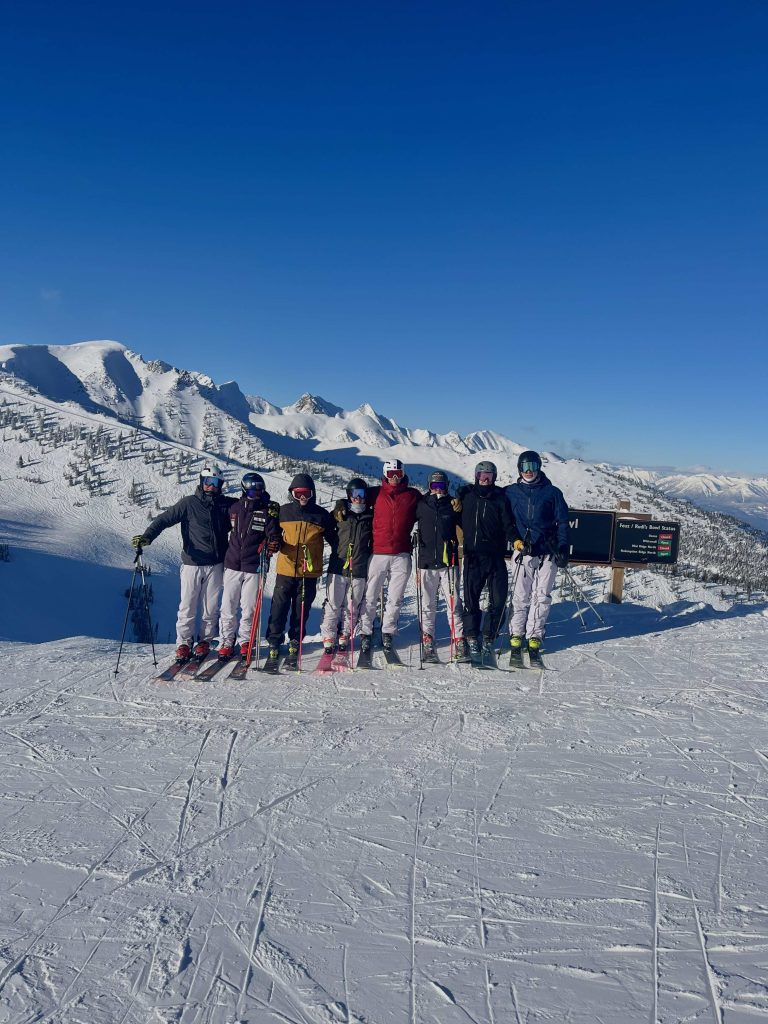
Ski racing also being an individual sport, means you face obstacles often isolated. When it comes down to race day, it is up to no one but you on how your race will go. The nice thing about team sports is that you can have a bad performance, and your team will still win. That rarely happens in racing. Every mistake you make directly and independently affects you. A split second of being unbalanced can lead to you falling over and washing away your whole race. You sit there after your race with no one to blame but yourself. We compete on a razor thin margin where fractional errors can completely destroy races, standings, or even careers.
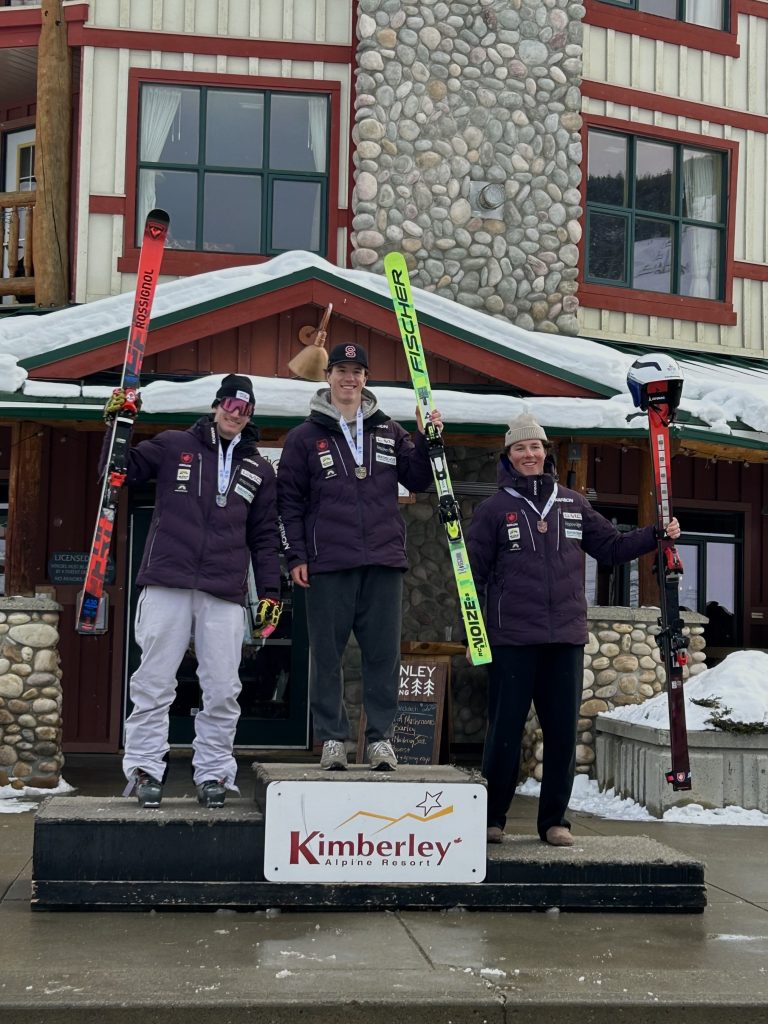
That’s why I am so thankful to be a part of a team. Having people to cheer on and also pull you out of the mental spirals is crucial in an individual sport as special and unique as skiing.
If you still aren’t sold on how crazy and incomparable ski racing is to other sports, look at what we are actually doing. My favourite disciplines are Downhill and Super-G, which definitely help paint ski racing as a crazy man’s sport. When you are racing, you are traveling at speeds that are illegal to drive on most roads in Canada (that’s also in a car going normally in a straight line on a level road). On most turns, you have to withstand a G-force of 3-4g’s with some downhill turns exceeding 6-7g’s. That’s higher than what most astronauts feel when launching to space. You also have minimal protection; there is no crumple zone. They set up the netting to slow you down and catch you, which is still crazy dangerous when you are hitting the net/ground at +100km/hr. Skiing also has one of the highest rates of season ending injuries out of all the sports. At the World Cup level, ~30 racers out of every 100 will sustain major injuries, 70% being knee related requiring surgery.
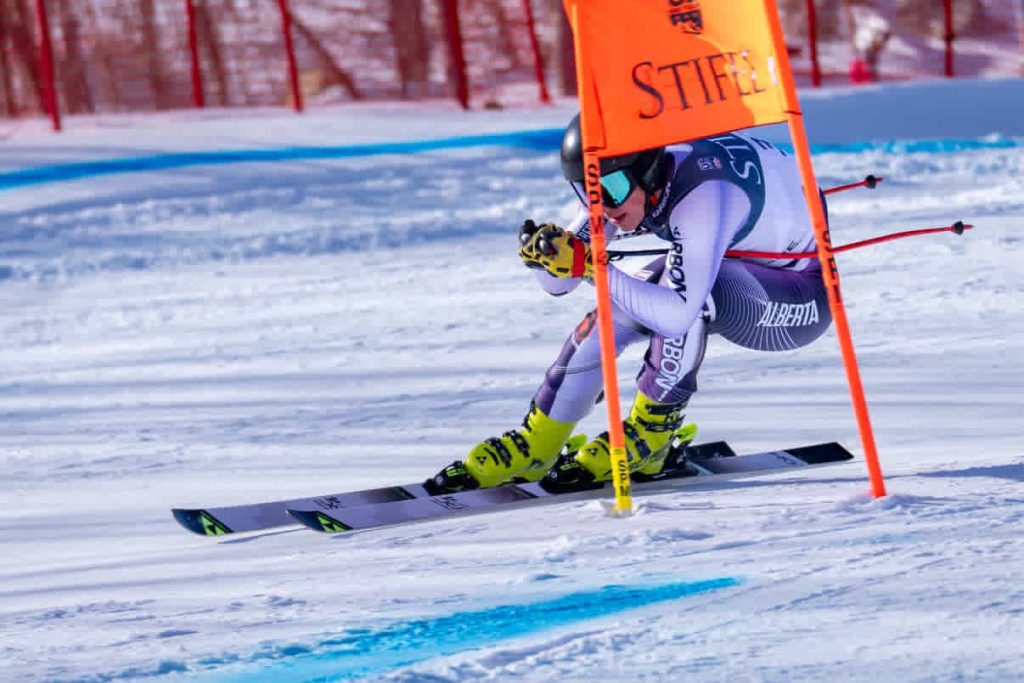
So all in, you are hurtling yourself down a mountain at the speeds you would normally be ticketed for, experiencing more forces than astronauts with a high risk assumption. You fight for fractions of a second, sometimes so quickly you physically can’t see the difference. You continuously deal with so many uncontrollable variables from weather to temperature to surface deterioration. All with the pressure that it is entirely up to you are your performance, that your only lifeline is your own reaction time. I’d say there are not many sports that can compare to that.
I am so thankful I get to compete and experience this sport. It has taught me so much and genuinely shaped who I am today. It would not even be remotely possible to do with the support of my family, coaches, and our sponsors GMC Dealers of Alberta, Mountain Fire Foods, Genstar, Inspired Go, Karbon, and Gear Up Mountain Sports.
Related Content
AST Athlete Journal: Caleb Brooks
Year 4 | Alberta Ski Team
Before I get into my athlete journal. I would like to say to Emilio, rest in peace. My deepest condolences to the family and friends. You will be deeply missed. LLEH🕊️❤️
This season has been one of the busiest yet. Between the constant racing schedule and travelling back and forth to the East Coast, it has felt like a nonstop grind — but a rewarding one.
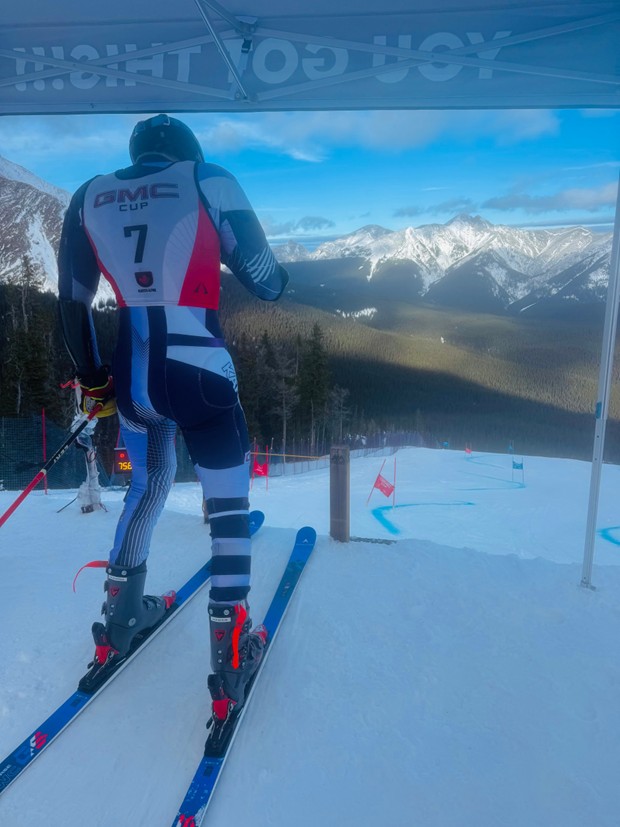
Coming into this year, the biggest focus was returning strong from injury. After everything it took to get back to full health, being able to step into the start gate again and compete at a high level has made this season feel like a success already. On top of that, putting down strong results on the NORAM circuit and finding success in FIS races has been a huge confidence boost. It’s a reminder that the work behind the scenes is paying off.
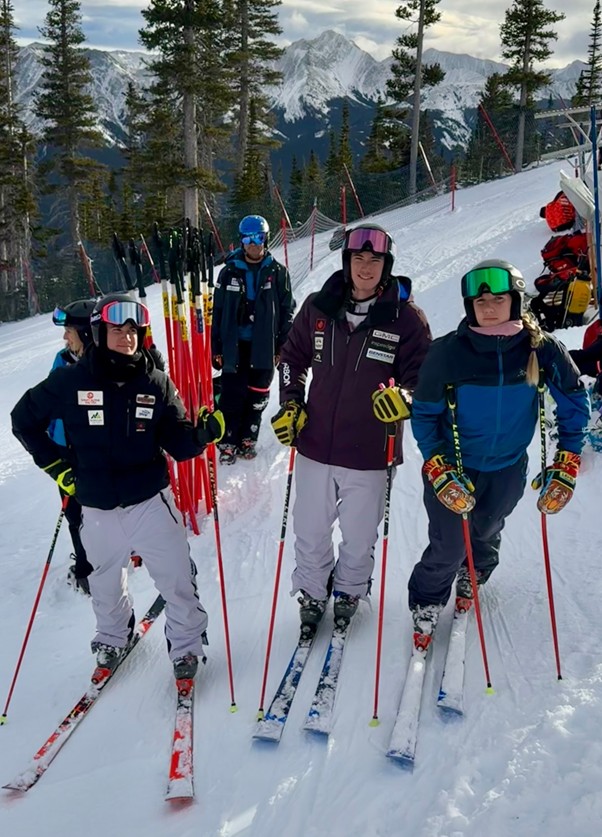
One of the standout experiences this season was spending a week racing in Lake Placid with Phil. Phil and I headed down to WhiteFace New York to do some university races and get some reps in on the hill before the NORAMS. When we showed up, the temperature cooled down to a -30 and didn’t really change – by far the coldest ski races I’ve done. Apart from freezing ourselves, there was a lot of learning during this race series including trying a new approach to my race days and a different mindset in the start gate. On paper this series was not my best but what I took away from these race series goes beyond the results.
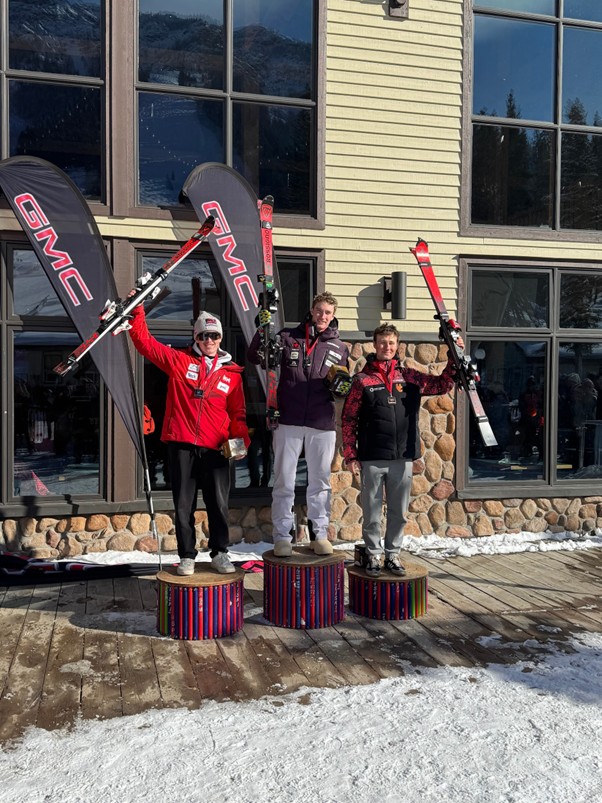
Now, as we shift into a small training block, the focus turns toward sharpening the details and building momentum heading into the NORAM Finals in Aspen.
It’s been a season of progress and perspective, proving to myself that I can come back stronger. The goal now is simple: keep building, stay consistent, and be ready to perform when it counts.
None of this would be possible without the help of our spectacular Alberta Alpine sponsors: GMC Dealers of Alberta, Genstar, InspiredGo, Mountain Fire Foods, Silvertip Resort, Karbon, and GearUp Mountain Sports. I would also like to thank my personal sponsors, Lake Louise Ski Resort, Mountain fire Foods, GearUp Mountain Sports and Rossignol.
Related Content
AST Athlete Journal: Amy Attalla
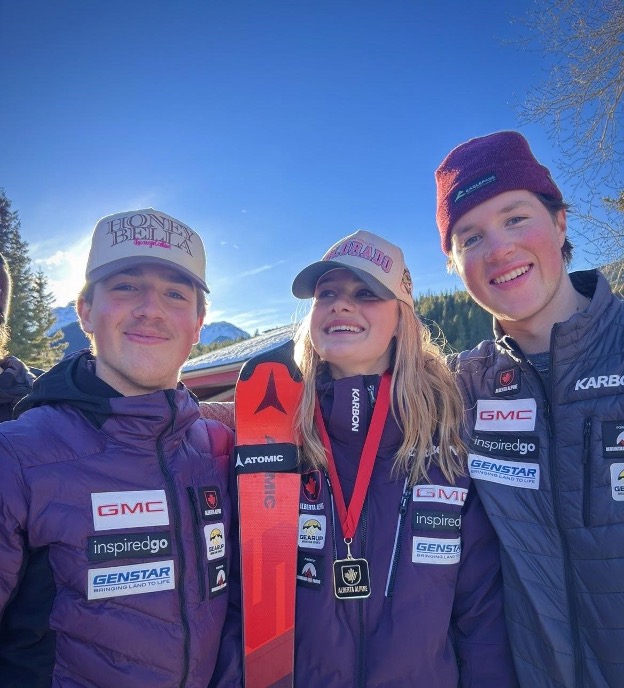
Hi, I’m Amy Attalla. I’m from Fernie, BC, where I started ski racing before spending three years with Team Panorama. This year is my first season on the Alberta team.
The start of the year has been full of new experiences, preseason in Europe, racing out East, and moving quickly from one event to the next. Each experience and challenge has taught me something, not just about skiing, but about patience, preparation, and learning from the people and environment around you. Lessons that stick with you long after you click out of your skis.
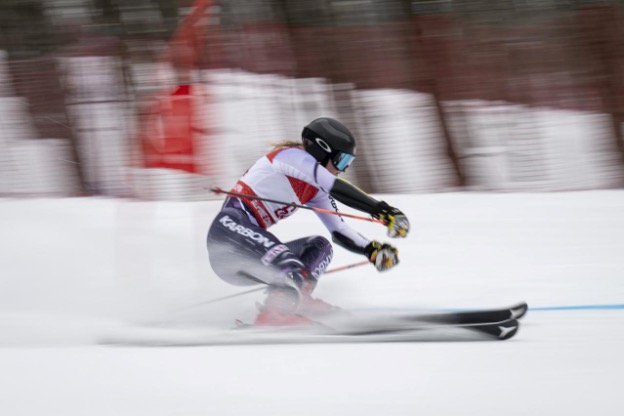
Hard days teach the most.
In Hintertux, our first run on that icy, steep glacier was eye opening. On ice, there’s no room or time to get away with things you can on softer snow, like stepping off your outside ski too early or falling inside. Instead of being frustrating, it was a great reminder of how much we can still learn. The conditions pushed me to trust my skis, stay present, and notice what I could improve. It showed me that the toughest days often teach the clearest lessons, and approaching challenges with patience and curiosity can make all the difference.
Confidence comes from preparation.
One of my main goals this season has been to charge my skiing with more confidence. Coaches often say, “Be confident, charge it,” but sometimes it’s hard to actually dial into that other gear. For me, confidence comes from trusting the work behind the scenes, training, nutrition, and ski prep.
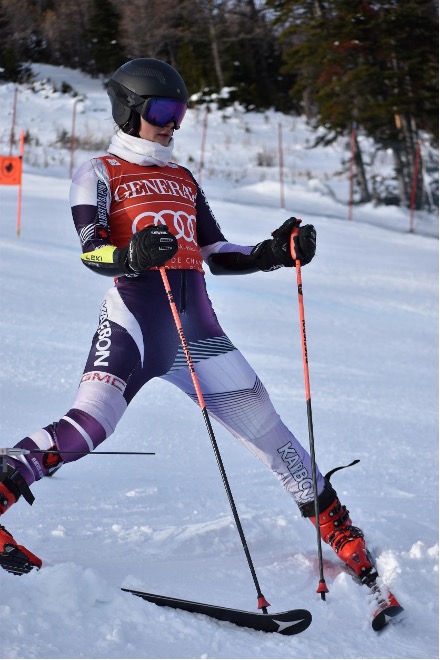
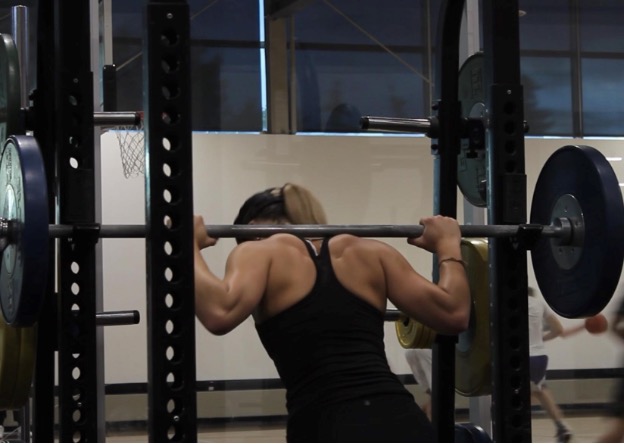
Training with Nate Morris at CSI has been a highlight. Being in a gym surrounded by other high-performance athletes is motivating, and it pushes me to get stronger and sharper. Working with our team nutritionist, Lauren, has also been helpful. Traveling and cooking our meals has taught me how to fuel properly for recovery and performance, even on the road. All of that preparation doesn’t always show on a results sheet, but it gives me a solid foundation to trust myself when it matters.
Learning from others pushes you forward
Racing the NorAm circuit this season has been an incredible learning experience. Watching the top NorAm racers, many of whom also compete on the World Cup, has taught me that there’s always someone who knows more at this level, and it’s interesting to figure out what they might be doing that you aren’t. The teaching often comes in code, and you have to put your ego aside and stay open-minded and take in the lessons.
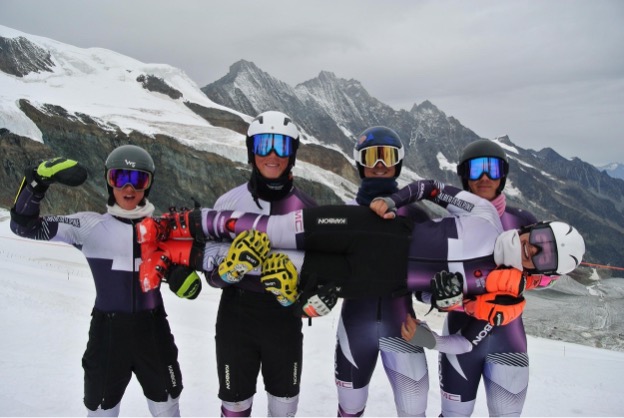
Another thing I’ve learned from others this season is the importance of staying a little unserious. Our team works hard and can lock in when it matters, but they know how to keep things light off the hill. Being a team that’s mostly boys, eight guys and two girls, gives our dynamic a unique energy, and it’s taught me how important humor and playfulness are for morale. After a hard race or training day, it’s really awesome to go back to the team house and still laugh, have fun, and shake it off. Being able to reset like that makes it so much easier to focus on the positives and not get stuck on a tough day.
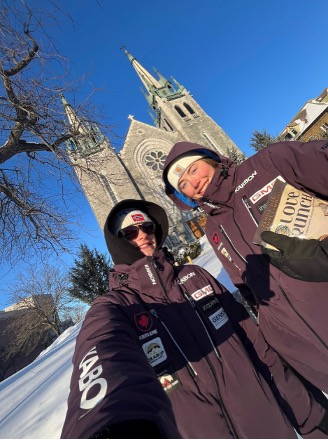
I’m excited to see where the rest of the season takes me. Skiing is an incredible classroom, not just for racing, but for learning yourself and the people around you. I’m grateful to the organizations supporting me this season: GMC Dealers of Alberta, Genstar, InspiredGo, Mountain Fire Foods, Silvertip Resort, Karbon, and GearUp Mountain Sports. Your support makes this journey possible. And a huge thank you to my family, Mom, Dad, my sisters, and my grandparents, who even watch live timing from church on Sundays. Thank you for always rooting for me!
Related Content
AST Athlete Journal: Cole Merrett
What’s up, everyone! My name is Cole Merrett, and this is my first year skiing on the Provincial Team! Like a handful of other athletes on the team, I come from the Team Panorama ski club, having started there in U8 until being selected for the provincial team. The community, through the Panorama ski club, has provided endless support and guidance throughout my career, leading me to where I am today. It revealed to me my passion for the sport and the reasons why I love it so much.
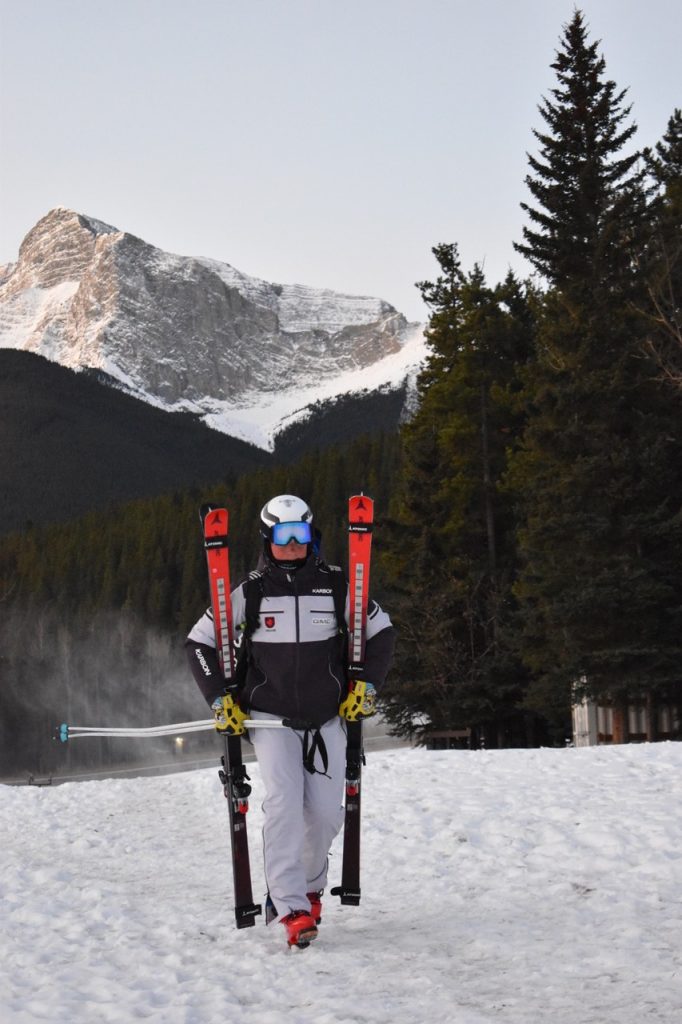
And just like that, it’s already January. With travelling throughout Europe and Canada, it’s clear that this season is flying by. As I am writing this journal, our team just wrapped up a hard-fought battle in Quebec for the NORAM’s in Mont Tremblant and Saint Sauveur. Although the outcome was far from perfect, I learned so much through the exposure of being surrounded by the top skiers in North America and the world. As many ski racers know, the NORAM’s are some of the hardest races due to the magnitude of world-class athletes competing amongst each other. Even with having somewhat solid FIS points, we all were within the 80’s-100’s bibs, which makes it a challenge to punch through, though not impossible. We all have the skills needed to do what it takes but need to push the limits even harder to start chasing NORAM points. Ultimately, NORAM’s are a game that needs to be played, as even when you’re faced with failure, it’s most important to keep pushing through. It’s in moments like these that we learn from our mistakes and discover ways to better ourselves, rather than giving up. While this mindset is essential in sport, it’s also a crucial life skill. The ability to learn from failure is a key to success in any situation, which is why I love this sport so much

When I’m not skiing on the slopes, you’ll find me doing school, as I am one of two athletes on the team who is still in high school. I am currently in grade twelve attending the National Sport School at Winsport. While skiing is something incredibly important to me, academics are my priority. Being a competitive athlete, the drive I have in sport carries over into my education; I always want to be the best at whatever I do. NSS is a school designed to support student athletes like myself who are chasing the dream in their athletics while graduating high school. The teachers are incredibly supportive of you and do whatever it takes to help you succeed. Whether that is staying late after school or answering my emails when I’m on the hill, they’ll do it. Balancing school with competing on the provincial team is a big challenge, but one I’m happy to face. With typical training of 25-30 hours a week, it takes away a lot of in-person school. This year I will be absent upwards of 80 days of school, meaning most of my learning happens on van trips, in ski lodges, or after training. Through skiing, I’ve learned how to manage my time, learn independently, and plan my schedule around my academics. Although there are sacrifices that come with this lifestyle, it’s all worth it when you get to travel the world and compete alongside your best friends, doing what I love most.
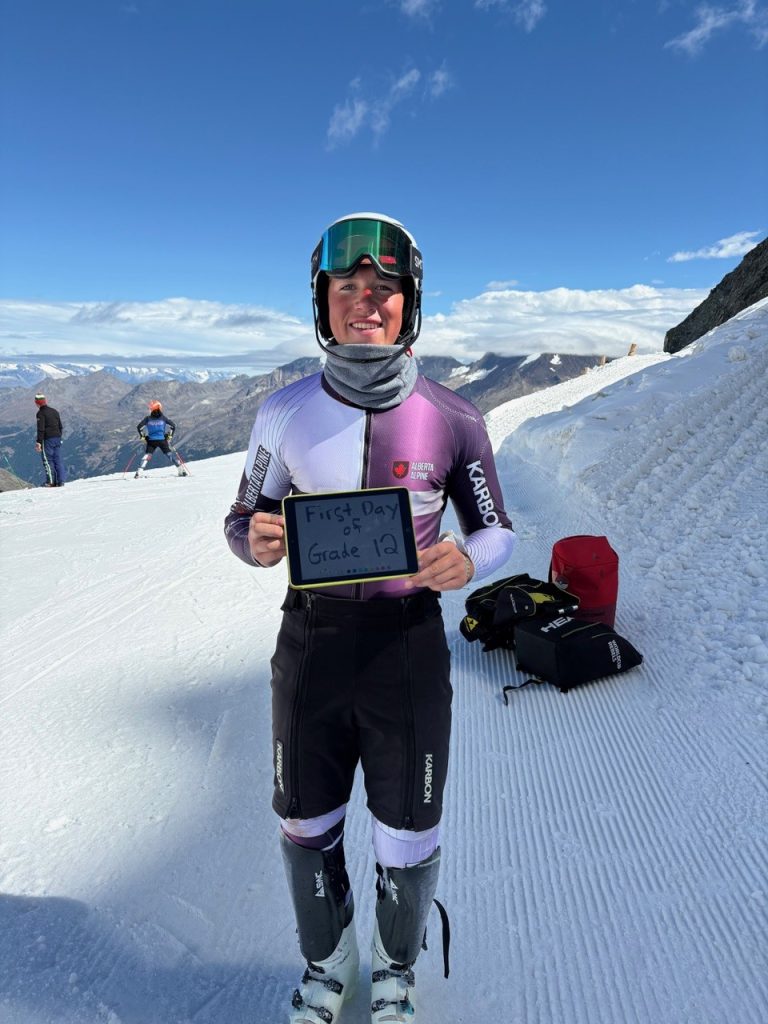
As we head back home to gear up for the Nakiska GMC Cup Races, I’m excited to put my learnings from the NORAMs into action. Being hungrier than ever, I’m eager to get back to some local races and get ready for the rest of the season! As always, none of this would be possible without our fantastic team sponsors who allow us to chase our dreams. I want to thank GMC Dealers of Alberta, Genstar, InspiredGo, Mountain Fire Foods, Silvertip Resort, Karbon, and GearUp Mountain Sports. And most importantly, I’d like to thank my parents for always believing in me. None of this would be possible without your help!
Cole Merrett
Related Content
AST Athlete Journal: Thomas Cais
It’s crazy to think that it’s already December! Between all the training at home after our preseason camps in Europe and the opening races of the season, time has been absolutely flying by and I couldn’t be more excited to get the rest of the season underway!
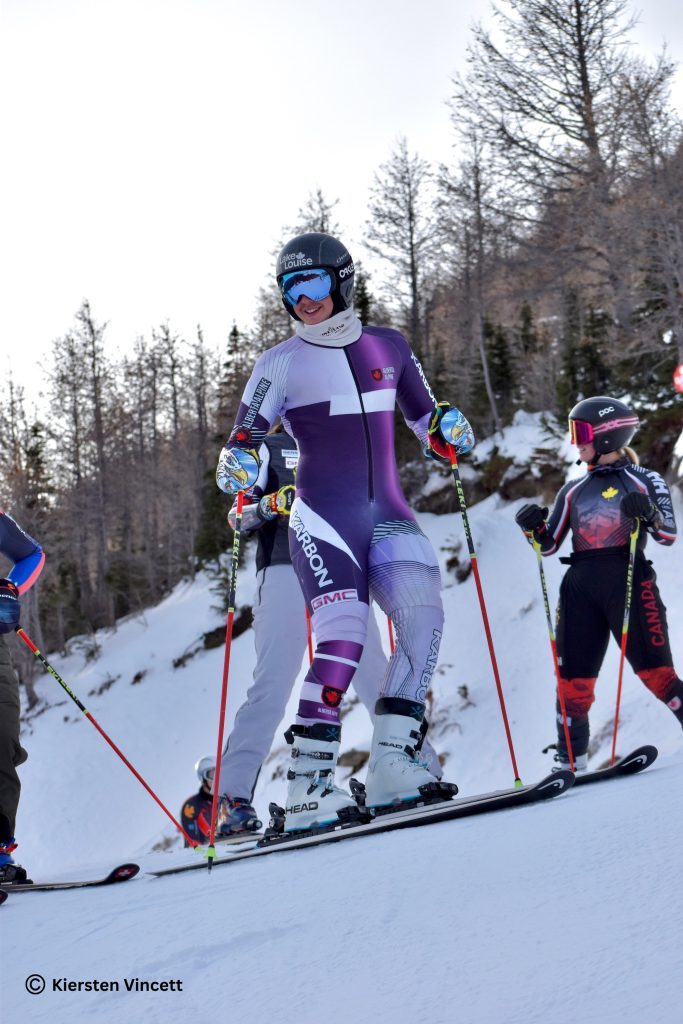
Hi everyone, my name is Thomas Cais and this is my first year on the Alberta Ski Team. I originally grew up in the small town of Field, 20 minutes west of Lake Louise, where I first learned to slide on skis on the snow-covered roads before joining the Lake Louise Ski Club. Having skied since I was one, it’s safe to say skiing has always been a part of my life. This season has been amazing so far with so many new experiences. Being able to go into the first races of the season with over 40 days on snow helped me build a lot of confidence. It also allowed me to make larger technical improvements that are harder to achieve mid-season. This hard work in the preseason paid off for me, as well as the entire team, as we had plenty of strong results in Norquay to back up all the laps and effort we put in throughout our camps in Europe, as well as back home.
I am currently writing this from Panorama, where those of us who didn’t go to Colorado for the Nor-Am’s have been training for the past few days before we go into the Christmas series. Although the weather has been a battle, with over 30 cm of snow and lots of rain, we have been getting some good laps of both GS and SL on Old Timer ahead of the race this week. I found the training this week to be especially useful in learning to adapt my skiing to the snow and course conditions, which I often struggled with in races like Nor-Am’s, where I find myself starting with a much later bib. Although we race in Panorama very often, this was my first time training on the race run, so It was amazing to be able to get some more time on the slope and to finally be able to train on a slope I’ve raced on so many times.
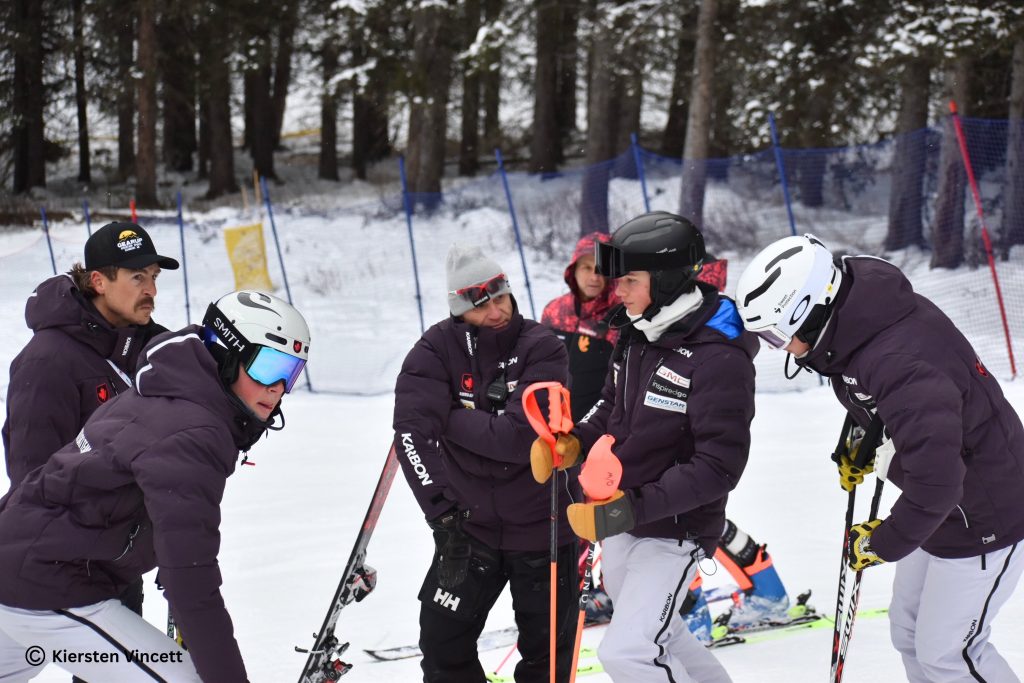
Beyond performance, one aspect of our sport that has come into light much more recently has been athlete safety while on the hill. It is something that I had never really given much thought to before this season but has become a much more integral part of skiing for me. Thanks to Diston, we find ourselves much better protected from lacerations, which can happen at any time and be very consequential, which Caleb demonstrated after his crash in the Beaver Creek SG resulted in a cut through his speed suit but was stopped by his cutproof’s. Another big topic of discussion I have seen more of this season is snow conditions. With having so many days of snow every season, some days are bound to be worse than others, and it is important to recognize safety aspects on those days where the snow is less than ideal. The coaches have been doing a phenomenal job assessing conditions and being able to make decisions as to when training becomes too risky or unsafe, as well as asking us athletes what we are comfortable with and asking for our inputs in these decisions as well. Being able to feel comfortable enough to recognize when the risk exceeds the reward is essential and it is something that I believe our team has been managing very well. This training block in Pano has been an excellent example of this. With tough visibility and soft snow, the coaches made sure that training remained a safe and productive environment and that we could voice any concerns we had.
As we get into the race week here in Pano, the team will be reunited again for four days of racing (2 GS and 2 SL) before having a bit of a break for some time at home with the family for Christmas. After that, we will get a few days of training before flying out to Montreal early January to start off the new year strong with some Nor-Am’s in St Sauveur and Mt Tremblant for the whole team. None of this would be possible without the support from Alberta Alpine, and of course all the sponsors, so thank you to GMC Buick Dealers of Alberta, Karbon, Genstar, InspiredGo, Mountain Fire Foods, Silvertip Resort, and GearUp Mountain Sports for all the help and for allowing us to make this season happen. I’m excited to finish off this year strong and carry the momentum into the new year and the rest of the season.
Thomas Cais
Related Content
AST Athlete Journal: Graeme Cliff
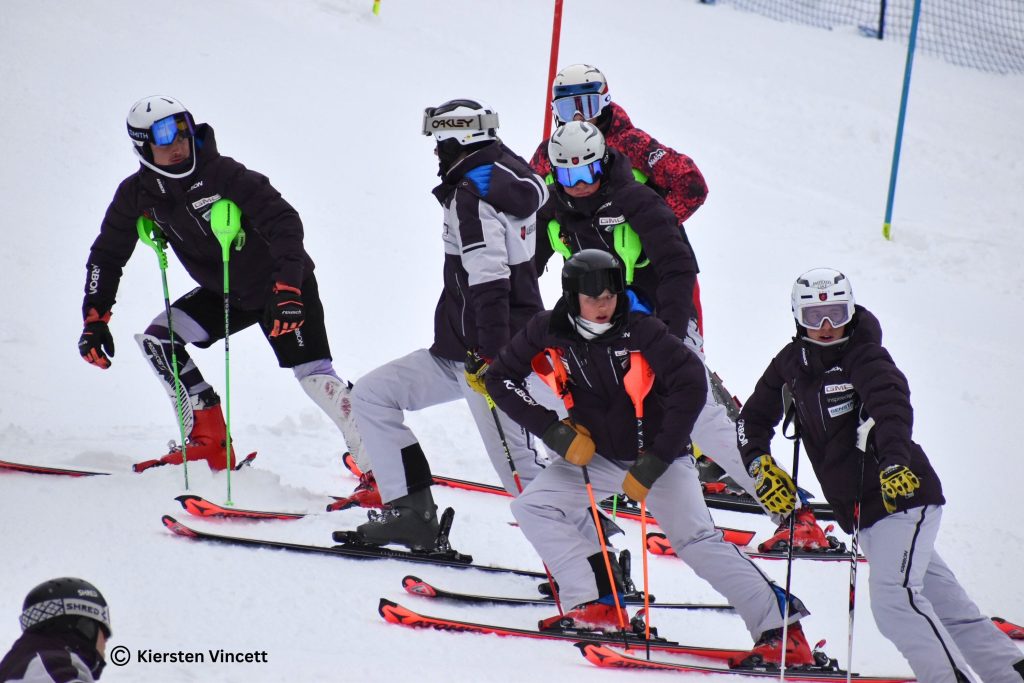
The first races of the year are almost underway, and I couldn’t be more stoked about it. The whole team has been getting some awesome training here at Nakiska. Whether it has been on the long boards doing some Downhill/Super-G or the more technical disciplines of GS/SL, the team has been focused on the tasks at hand.
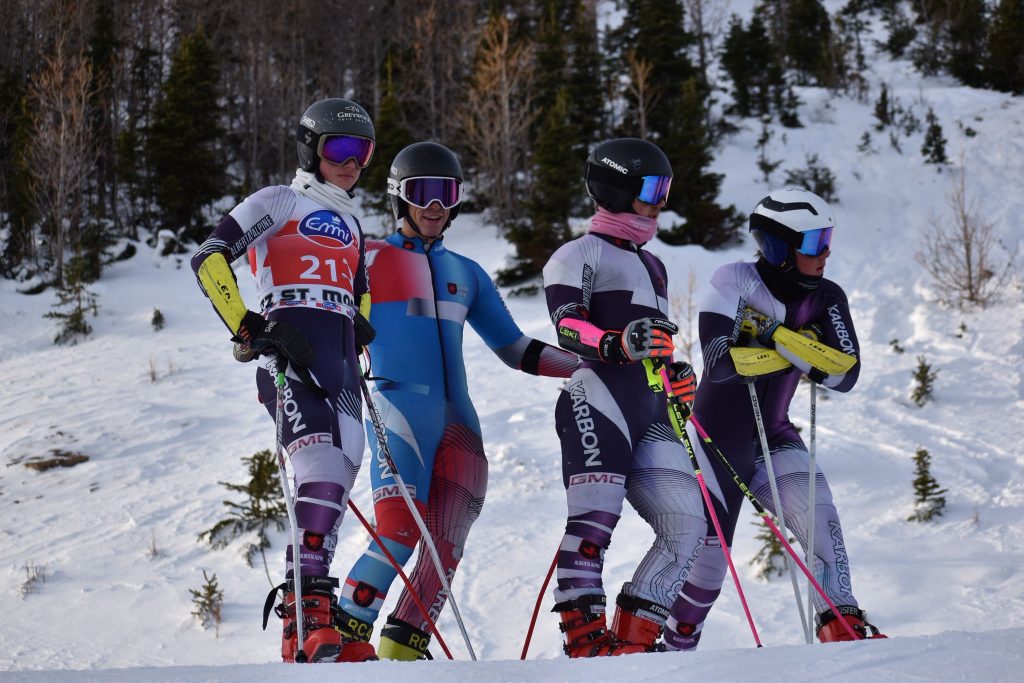
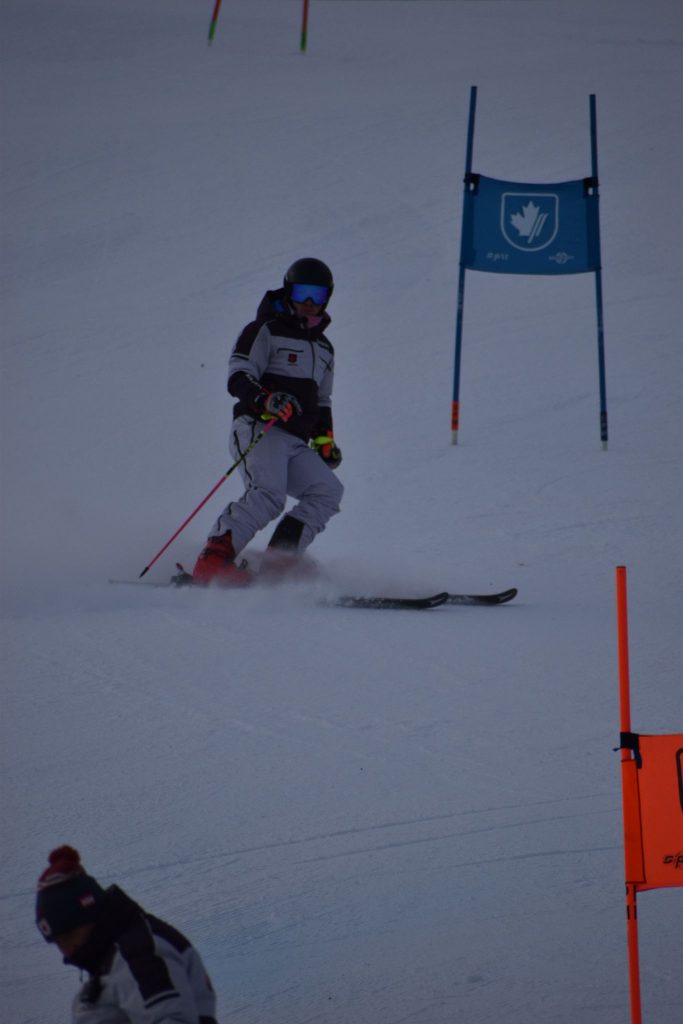
What’s up, everyone, My name is Graeme Cliff, and this will be my first year on the Alberta Ski Team. As with many of the new comers to the team, I am originally from Team Panorama where I owe a huge thank the whole Team Pano community, and our awesome new team in helping me feel the most confident I have ever felt before a season. This season has been off to a great start with our first two preseason camps over in Europe; I feel that everyone greatly benefited from them both. Currently the team is back training on home snow before the first big races of the season. During our time back home, some members of the team headed up to Mount Sima for a GS and SL race, where the cold temperatures and getting into race mode were a nice change of pace. It was most of our team’s first time up in the Yukon, and it has most definitely been added to our calendar for next season. Getting to race against some university racers was a cool experience; watching the level of skiing that is out there and the dedication it takes to do both school and skiing was definitely eye-opening. I’m super excited to race against other high-level collegiate athletes throughout the season. As I’m writing this, it is currently 9 degrees out in Calgary, which is nice for just about every sport besides ours, so I’m hoping for some cold temps and snow ASAP.
Recently Alberta Alpine hosted the Highest Peak Gala and Mount Norquay, which was a huge success with an awesome turnout throughout the Bow Valley. Whether it was getting to see some familiar faces or watching individuals get inducted into the Canadian Rockies Ski Hall of Fame. We athletes were introduced by GMC and were able to show off our fancy new Karbon jackets. Hopefully there was something for everyone. I know I personally had a great evening. I hope to run into everyone out and about on the hill and to get to chat more throughout the season. On behalf of our entire team, we appreciate everyone coming out to support us and the future of ski racing in Alberta. Your generosity does not go unnoticed, and we are grateful for each and every one of you.
Moving forward, the team is in Nakiska for a few days as we aim to head to Panorama for the opening of their preseason. We will head there for a quick stint to polish up and refine a few things before getting into race mode for Norquay and the first NORAMs of the season. I, along with a few of the other boys and many of the other provincial teams, will be heading down to Colorado for what is shaping up to be an exciting start to our race campaign. I’ll be starting towards the back of the pack, trying to punch in some good runs. It will be key that my focus level and new physical abilities are ready. We have been fortunate enough to work alongside our trainer Nate in CSI during the off-season, trying to get our bodies in tip-top shape ahead of our busy and very demanding season.
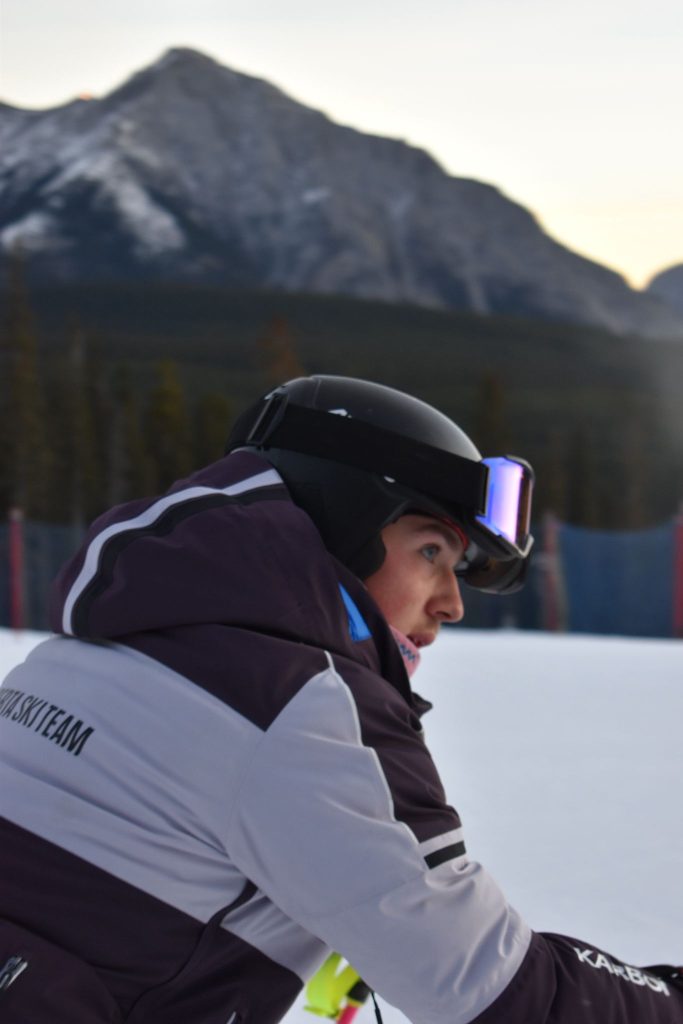
I am super happy with how all of our preseason training has shaped up and prepared us for the season, and I can’t wait to get into the swing of things. I am confident in our coaches’ plan and preparation, and I am very excited not only to ski fast but also to progress as an individual on and off the hill with the Alberta Ski Team. I want to give a huge shoutout to all of our awesome team sponsors. None of this would be possible without you guys: GMC Dealers of Alberta, Genstar, InspiredGo, Mountain Fire Foods, Silvertip Resort, Karbon, and GearUp Mountain Sports.
Graeme Cliff