

AST Athlete Journal: William Puloski
It’s almost time! By the time you’re reading this will be about four days away from kicking off preseason at Nakiska and just over a week until we open the race season at Mount Sima Yukon. As the calendar counts down, it’s exciting to look back on all the hard work that’s gone into preparing for the season ahead.
My Name is William Puloski and this will be my second year as part of the Alberta Ski Team. With the shift from being a newbie on the team to being one of the older athletes this upcoming year carries a little more weight. Achieving my skiing goals have a significant impact on the life decisions I make this year, which naturally brings some added pressure. Fortunately, I have a few new circumstances on my side that I hope will help me reach those goals. This is my first year skiing without the burden of school. Hopefully the newfound free time will allow me to train more in the gym, enter more races, and attend more in-season training. I’ve written my fair share of athlete journals, and this time I want to move away from the usual updates and focus on a few things I’ve noticed while making the transition from student-athlete to full-time athlete. I’ll also touch on how our training evolves from the early stages of on-snow training to race preparation. Loren and Cole did a great job breaking down our preseason camps, so check out their athlete journals if you’re interested in those updates!
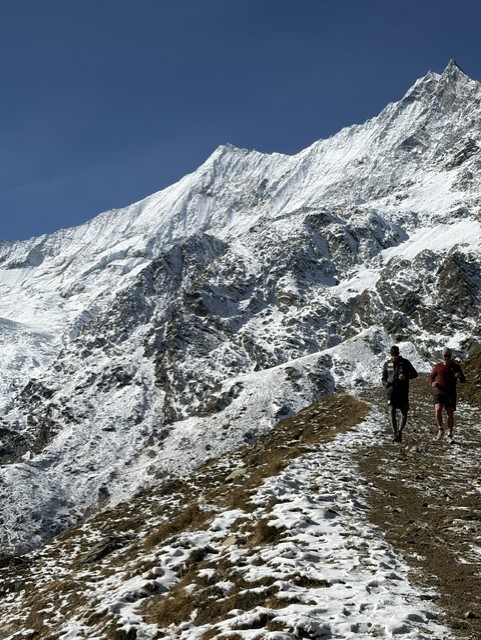
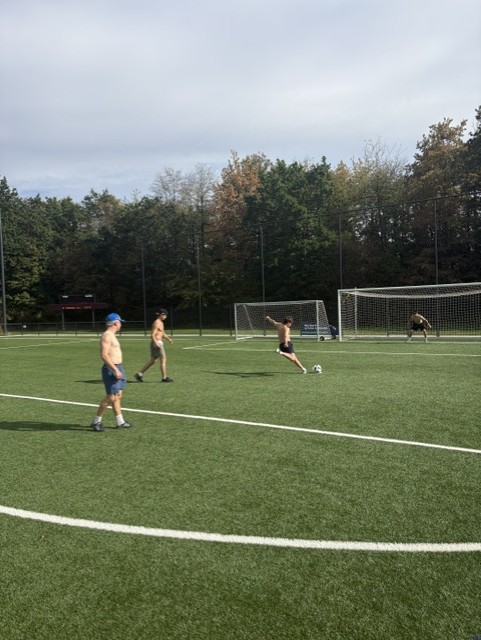
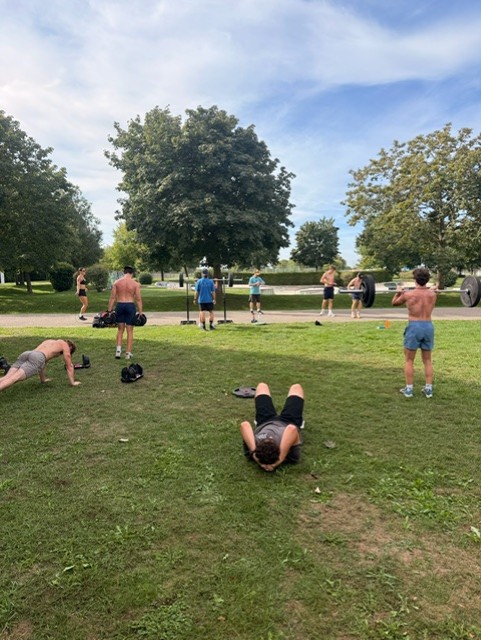
Graduating last year and knowing I have this year to fully go all in on skiing was an exciting thought. Instead of getting off snow and dreading the 2 o’clock math class or the self taught physics lesson I would be able to put more energy into skiing. One of the biggest changes this year will be the ability to spend more time on recovery and muscle maintenance. The slow deterioration of muscle throughout the skiing season has always been a struggle for me and maintaining as much body mass this season is a big goal of mine. This extra time that was once used on homework can be used for recovery runs, cold plunges, maintenance lifts and extra brain power on food and nutrition. There will definitely be some new challenges too, school offered an escape from skiing when the bad results compiled. Having hobbies to take your mind off the sport and fill up your off days is very valuable. I enjoy sewing hoodies and playing hockey with friends when I’ve got a couple extra hours. Trading chemistry textbooks for ski video analysis is a change I’m excited about, and hopefully, it’ll help set me up for a great season.
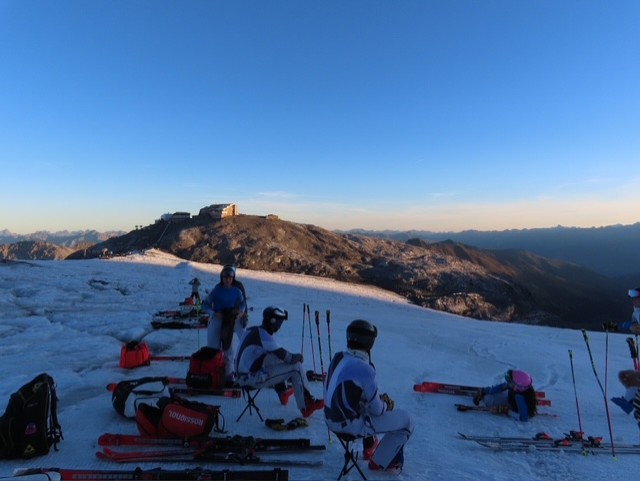
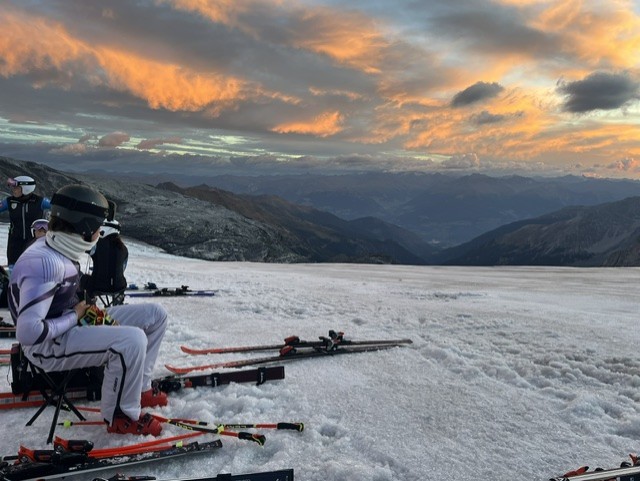
Our preseason camps usually begin with a gradual ramp-up period, especially the first one, where we focus on developing the fundamentals through slower drills and easier courses. As the camps progress, the intensity increases, with a continued emphasis on technique and fundamentals. By the end of our second camp, and now as we move onto the snow at Nakiska, the focus shifts toward race preparation. At this stage, training is all about bringing 100% effort and intensity to runs, as if we’re in an actual race. Maintaining that level of intensity throughout an entire day is difficult, so our coaches emphasize going all out for the first three runs before shifting toward a more technique-focused approach for the rest of the session. One of the hardest things to replicate in training is the feeling of race day, the nervous butterflies, the pressure, and knowing that your run counts. One way we try to make that pressure feel more routine is through mini-races, where we wager push-ups based on how far we finish behind the leader. These small competitions add a little extra pressure to training and help make those race-day nerves feel more familiar. Hopefully, that means they’ll have less of an impact when it really counts.
I can’t thank everyone enough for helping support my season, especially my parents. A special thank you to our sponsors: GMC Dealers of Alberta, Karbon, Genstar, Silvertip Resort, GearUp, KuuSport, Dr. Phone Fix and BrokerLink Insurance. I’m looking forward to what’s ahead!